
Caraway carrot cabbage slaw (quick Ferment)
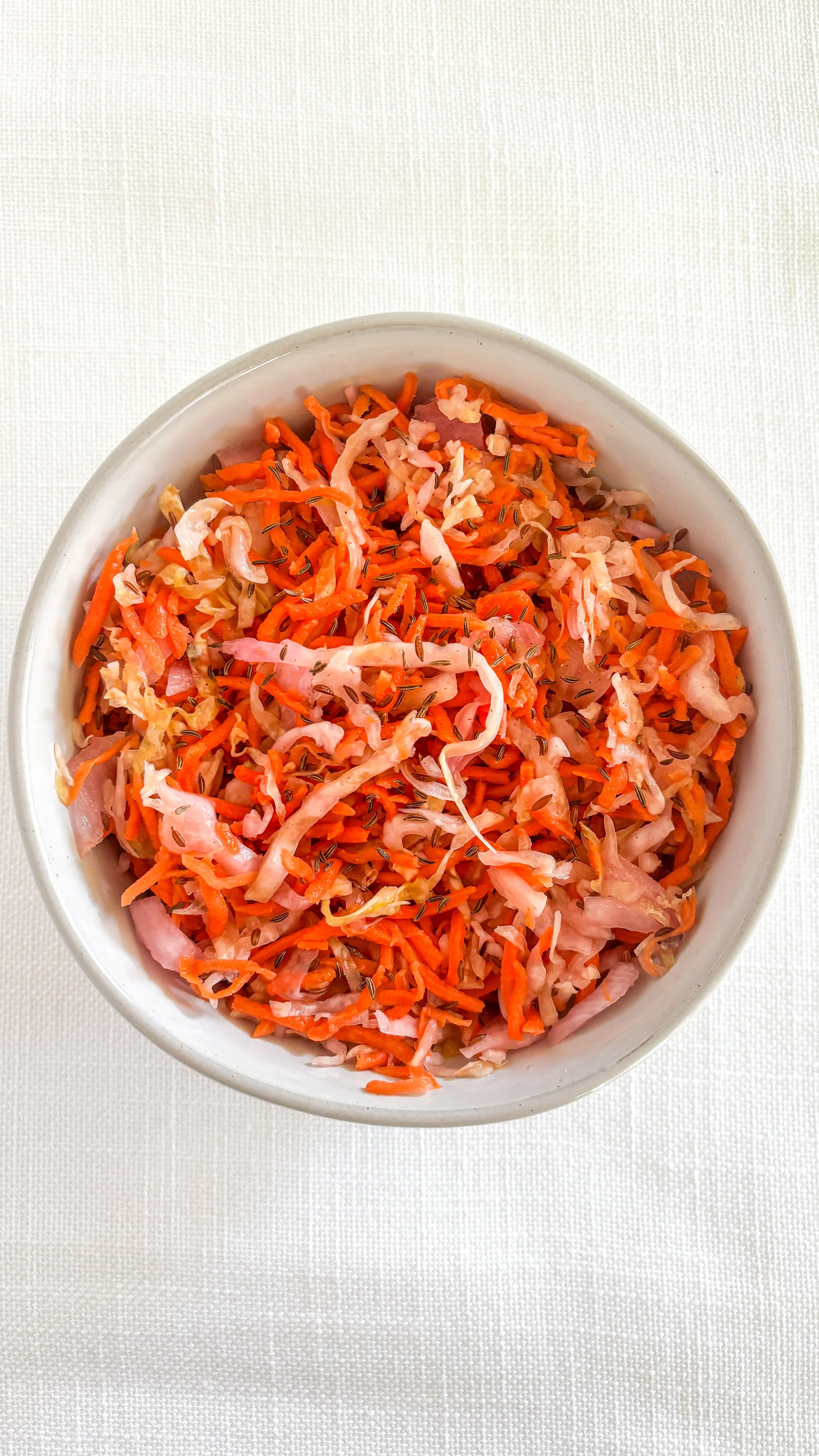
Adding fermented foods to your diet doesn't have to be complicated. This quick fermented cabbage and carrot slaw is one of the easiest ways to introduce more diversity into your meals while supporting digestive health. With just a few simple ingredients, this crunchy, flavorful ferment transforms everyday vegetables into a probiotic-rich side dish that pairs beautifully with grilled meats, salads, bowls, or even a simple gluten-free sandwich.
One of the reasons I love this recipe is its incredible nutritional profile. Cabbage and carrots provide a variety of fibers and plant compounds that support gut health, while the fermentation process creates beneficial bacteria and new bioactive compounds. A diverse gut microbiome is associated with better digestion, immune function, metabolic health, and overall well-being. For women, supporting gut health is especially important because the gut plays a role in nutrient absorption, hormone metabolism, inflammation regulation, and healthy aging.
This fermented slaw is also naturally low in carbohydrates, making it a great option for anyone looking to add more vegetables and fiber without significantly increasing their carbohydrate or calories intake. The combination of fiber-rich vegetables and beneficial microbes helps nourish the gut microbiota, which can produce short-chain fatty acids such as butyrate—compounds that support the integrity of the intestinal lining and a healthy inflammatory response.
The addition of caraway seeds brings more than just a delicious, slightly sweet and earthy flavor. Traditionally used to support digestion, caraway seeds contain aromatic compounds that may help ease bloating and digestive discomfort. They are also rich in antioxidants and plant compounds that contribute to their protective properties. In fermented foods, caraway adds a beautiful depth of flavor while complementing the natural tanginess created during fermentation.
Another important aspect of successful fermentation is the quality of your ingredients. Whenever possible, choose organic or homegrown vegetables for at least part of the recipe. Fresh, minimally treated produce naturally carries a wider variety of microorganisms that can contribute to a healthy fermentation process. The goal isn't perfection—the goal is diversity. Every different plant, fiber, and fermented food you add creates an opportunity to nourish a more diverse gut ecosystem.
This quick fermented slaw is proof that supporting your health doesn't have to mean complicated recipes or expensive ingredients. A few minutes of preparation can create a flavorful, nutrient-dense condiment that elevates everyday meals. Start with 1–2 tablespoons alongside your favorite dishes and slowly increase as your body adapts. Small, consistent additions like this can make a meaningful difference in creating a gut-friendly, nourishing lifestyle.
RECIPE
Ingredients
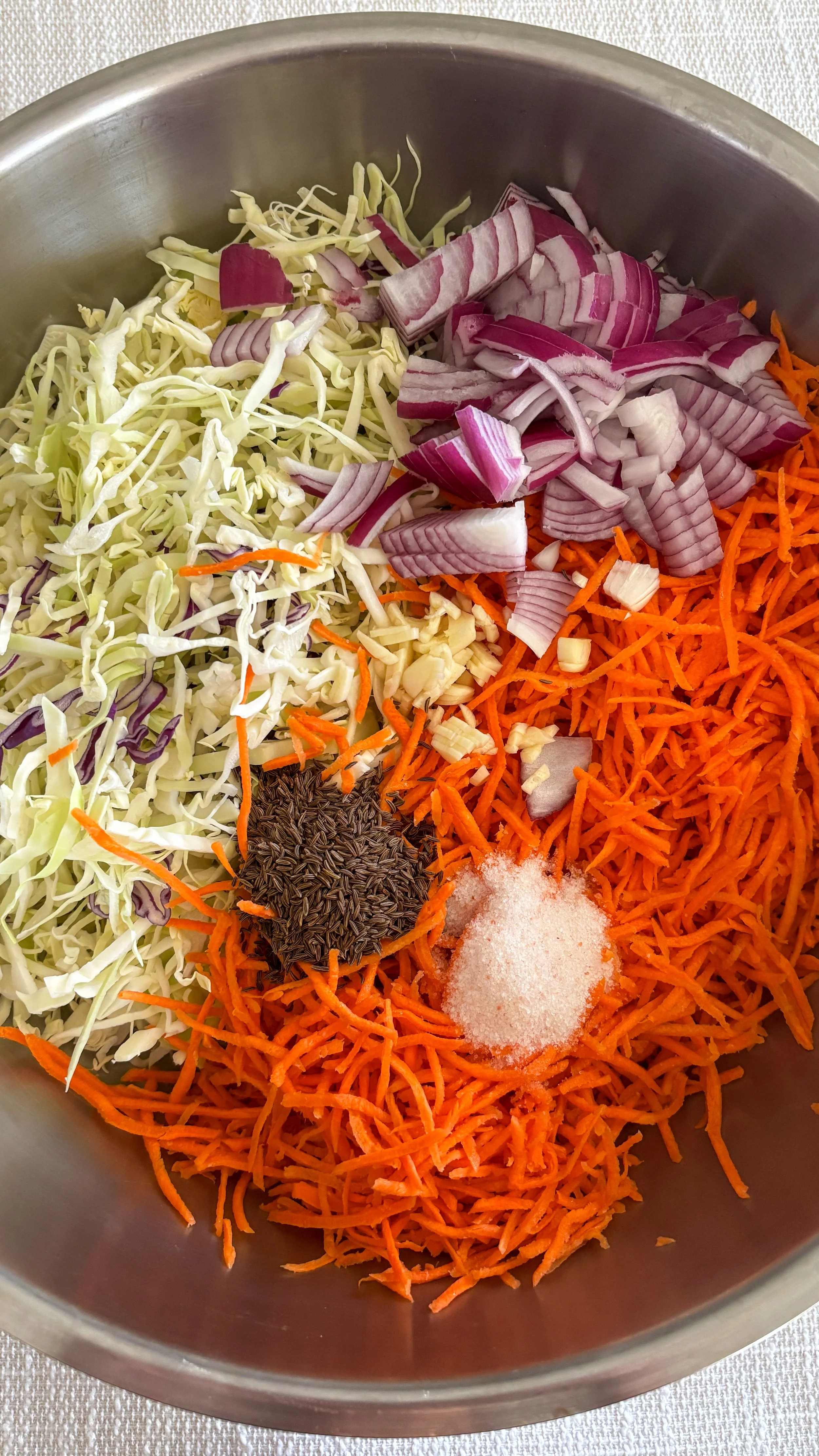
500 g cabbage, thinly sliced
450 g carrots, thinly sliced
150 g red onions, thinly sliced
5 g garlic, finely diced
15 g caraway seeds (not cumin seeds)
23 g pink Himalayan salt
Instructions
Wash and thinly slice all vegetables.
Whenever possible, choose organic or homegrown vegetables for at least one or two of the ingredients. Fresh, minimally treated produce naturally carries beneficial microorganisms that support the fermentation process.
Add the cabbage, carrots, red onions, garlic, caraway seeds, and salt to a large bowl.
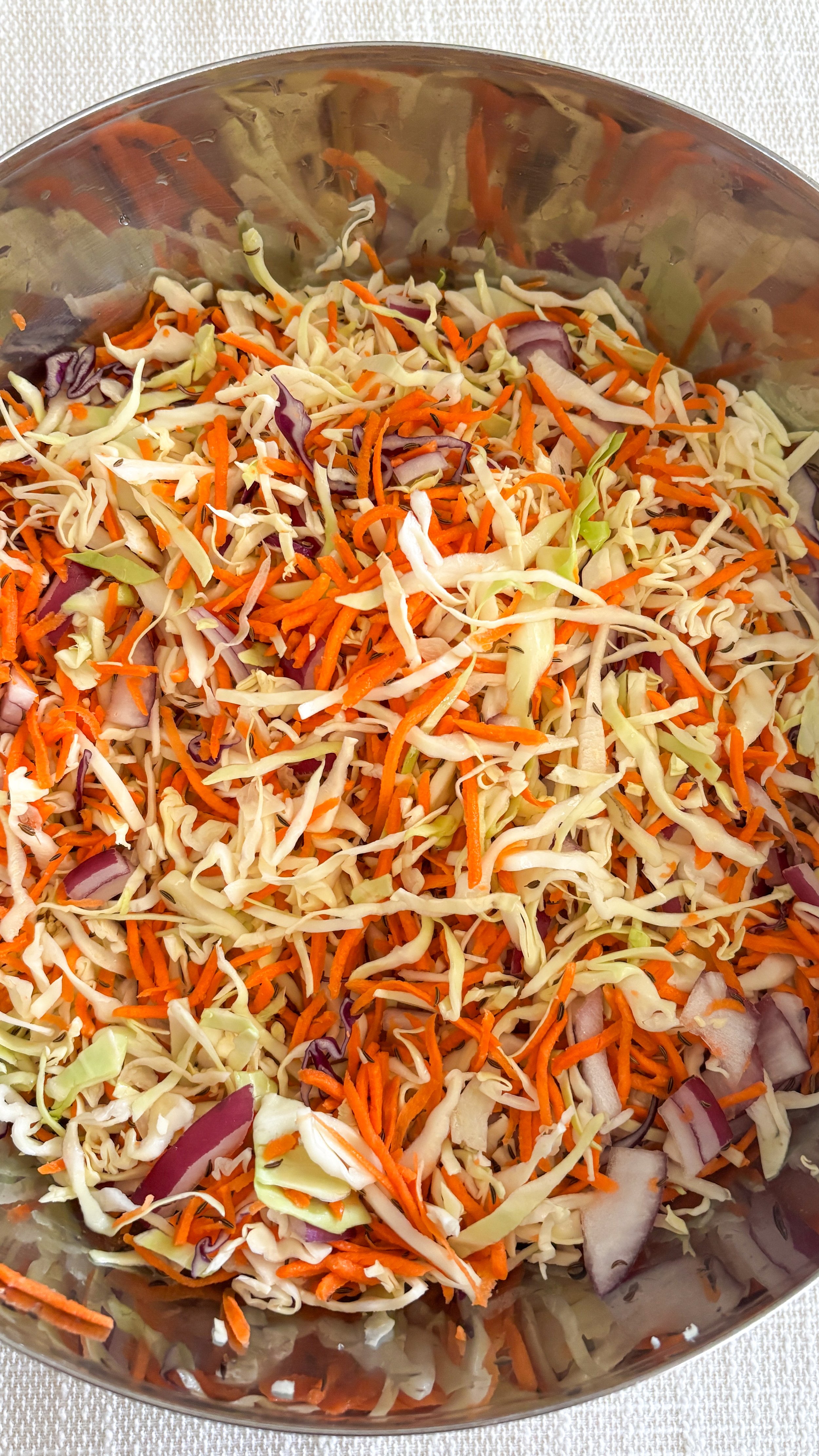
Massage and mix the vegetables thoroughly with clean hands for several minutes until they begin releasing their natural juices and a brine starts to form.
Cover the bowl and allow the mixture to rest at room temperature overnight. This helps the vegetables release more liquid and creates the natural fermentation brine.
Transfer the mixture into a clean glass jar, pressing the vegetables down firmly so they are completely submerged under the liquid. The vegetables must remain covered by brine to prevent mold growth on surface.
Cover the jar with a clean cloth secured with a rubber band and leave it to ferment at room temperature for 5 days. Check everyday and push the mixture down under the brine, or use a fermentation weight.
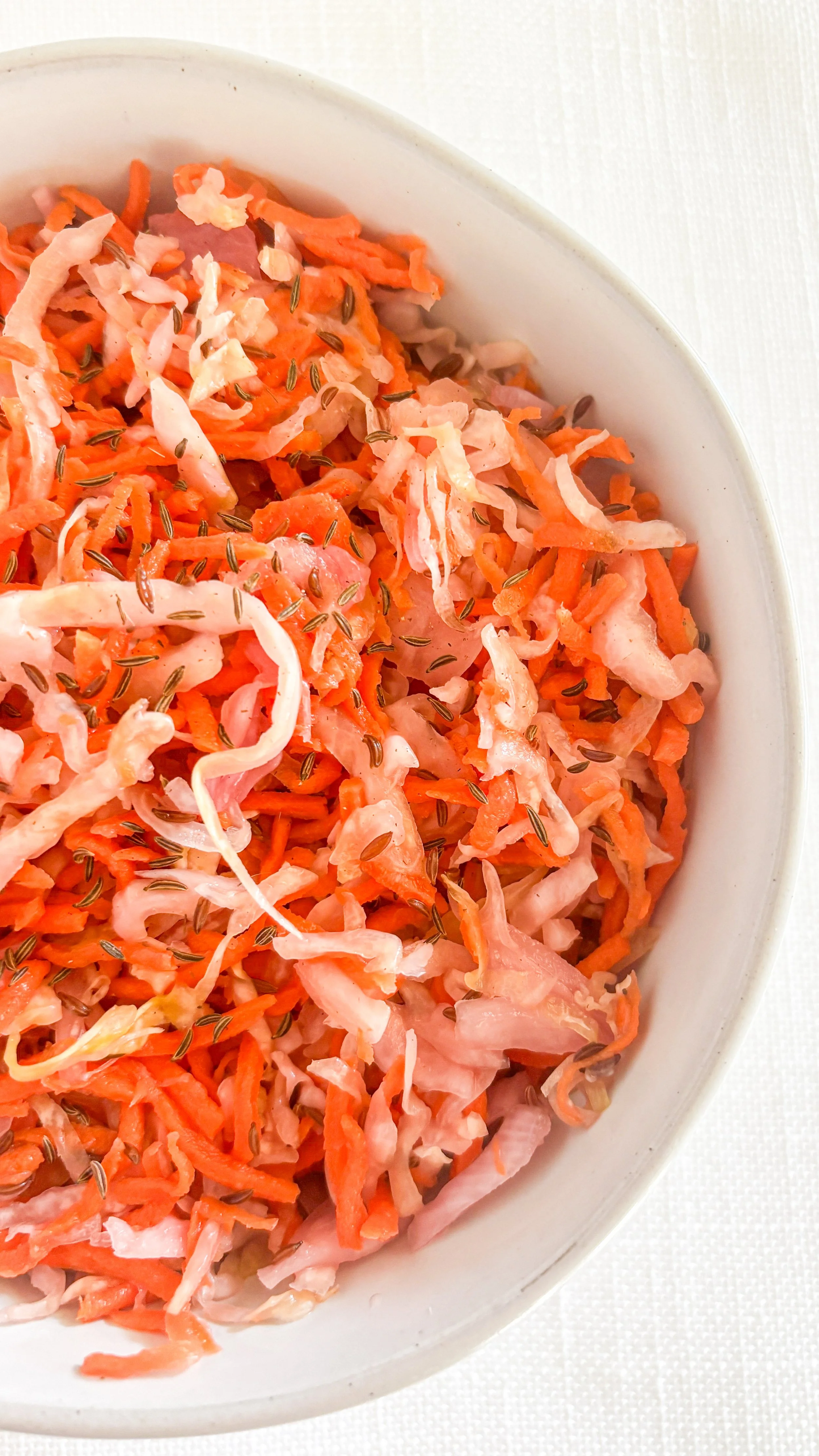
After 5 days, taste the ferment. If you like the flavor, seal the jar with a lid and transfer it to the refrigerator.
Enjoy 1–2 tablespoons daily as a flavorful probiotic side dish with grilled meats, salads, or your favorite meals.
Storage - Store covered in the refrigerator for several weeks to months. Always use clean utensils when serving to maintain freshness.
As usual, these are my thoughts and ideas, not medical advice. You are encouraged to create your own recipes or search for some suited to your needs. I am just sharing my recipes, hoping that I can inspire some of you to make healthier food choices.
Please remember that we all have different nutritional needs and that food affects us differently. If you are not sure which foods are best for you, reach out for a free phone consultation.
In good health,
Ioana