
Char siu (Cantonese-style oven roasted pork)
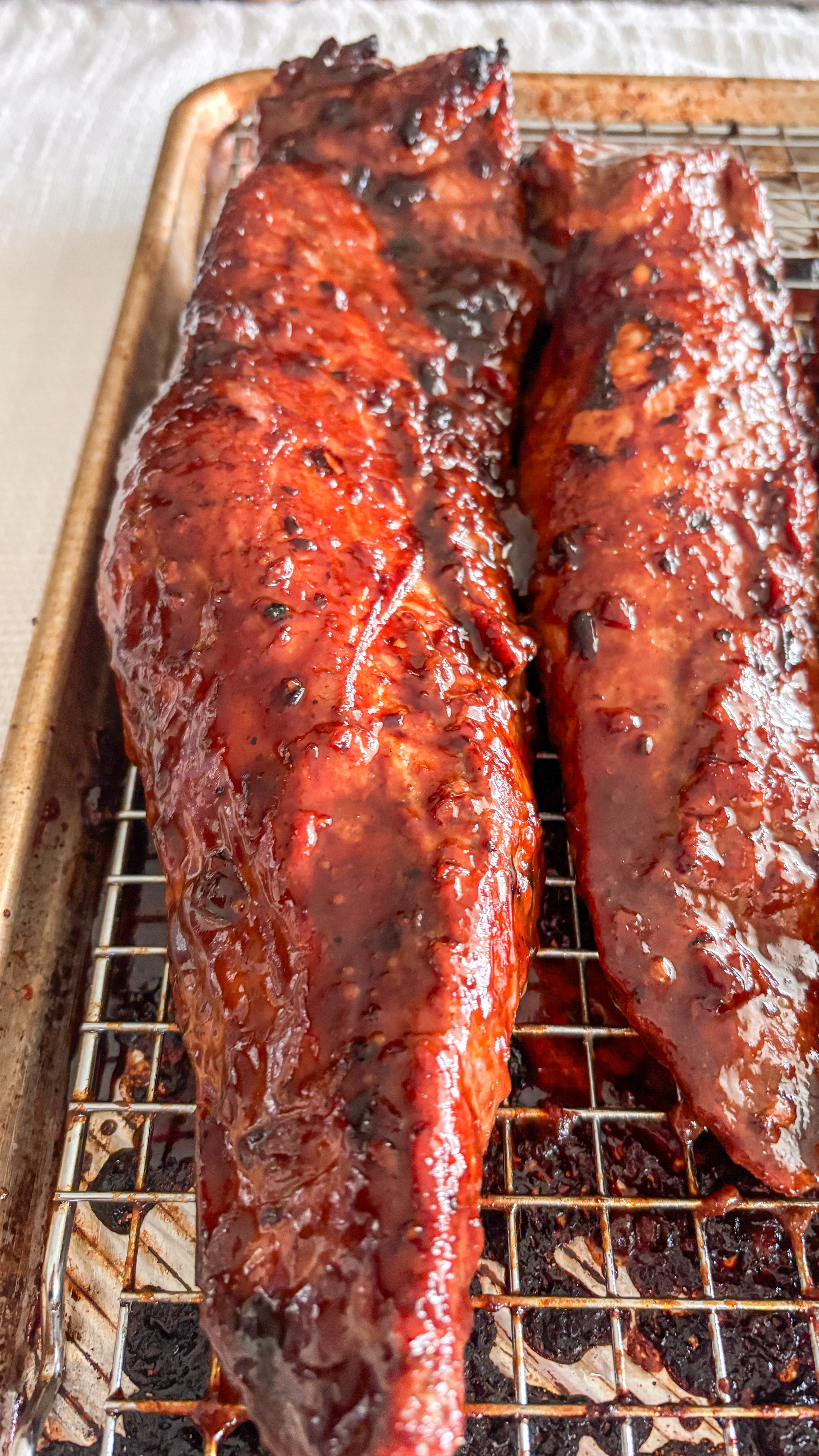
Char siu is one of those dishes that instantly stands out—glossy, caramelized, and often recognized by its signature deep red color hanging in restaurant windows. Traditionally, that vibrant red hue comes from added food coloring, which enhances visual appeal but doesn’t contribute anything nutritionally.
This version takes a different approach.
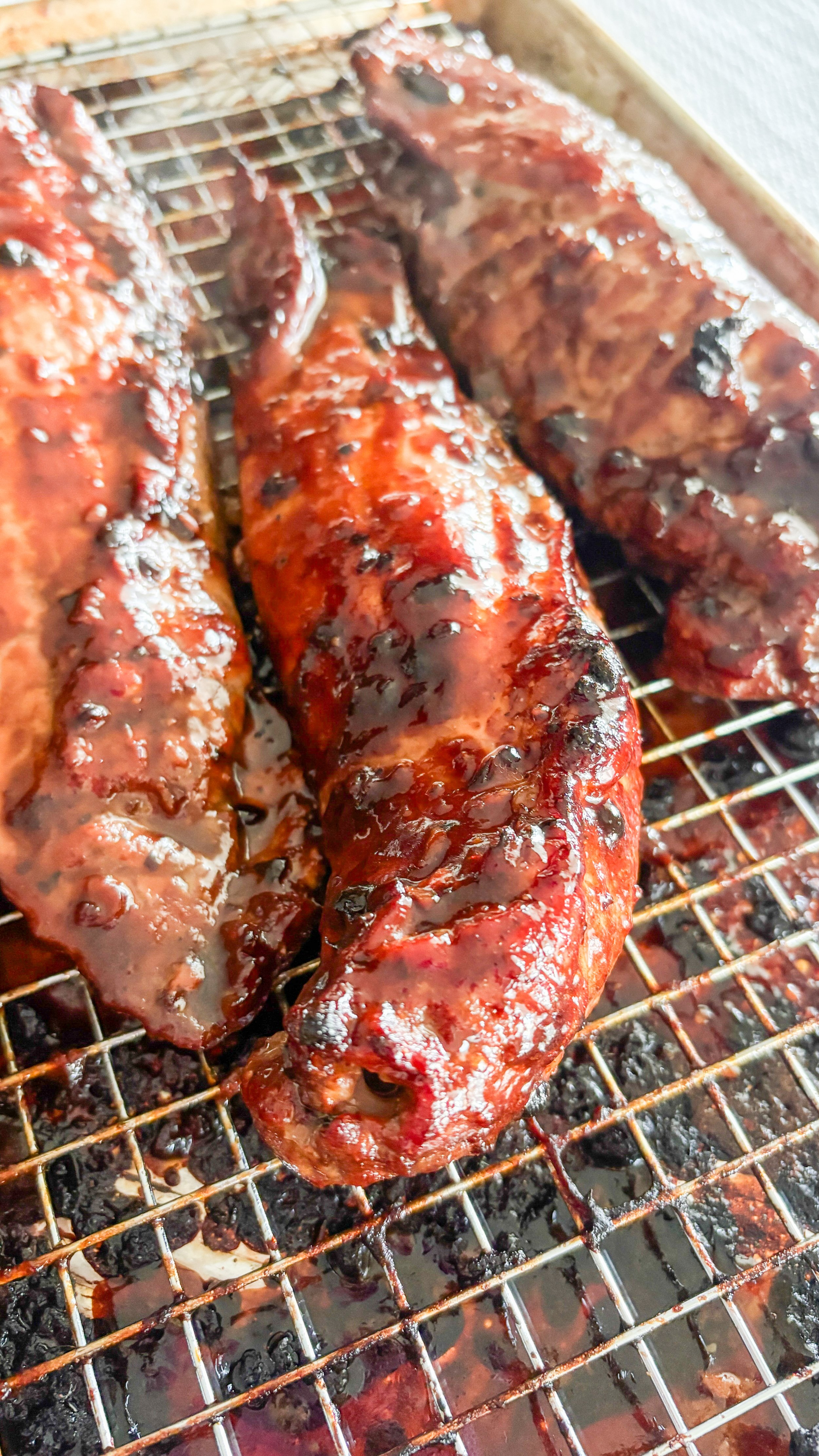
Instead of relying on artificial colorants, it focuses entirely on real ingredients—creating a naturally rich, caramelized exterior through the combination of honey or date syrup, hoisin, and slow roasting. The result is just as beautiful, but in a more natural way: deep golden-brown, slightly charred edges, and a glossy finish that comes from proper glazing rather than artificial enhancement.
Once you understand the process, it becomes one of the easiest high-protein recipes you can add to your rotation.
At its core, char siu is just marinated pork, slowly roasted and repeatedly glazed until it develops that signature sticky, caramelized exterior. The magic comes from the balance of flavors: sweet from honey or date syrup, salty from soy sauce, rich umami from hoisin and oyster sauce, and warmth from Chinese five-spice. As it cooks, the sugars caramelize, the edges char slightly, and the meat stays incredibly juicy inside.
And nutritionally, it’s a powerhouse.
Using pork tenderloin keeps the recipe naturally high in protein and relatively lean compared to other cuts. You get a dish that is deeply satisfying, rich in flavor, and still aligned with goals like muscle maintenance, performance, or even fat loss—especially when paired thoughtfully.
But what makes char siu truly valuable isn’t just how good it tastes. It’s how versatile it is.
Once you have a batch ready, you’re not just making one meal—you’re setting yourself up for multiple meals across the week, each with a completely different feel.
Why This Recipe Works
High protein, efficient nutrition – perfect for maintaining or building muscle
Big flavor, minimal effort – marinade + oven does most of the work
Meal prep friendly – stores well and reheats beautifully
Flexible – works in both light meals and more indulgent dishes
Ways to Use Char Siu in Different Recipes - This is where the recipe really shines.
1. Rice Bowls
Slice the pork and serve over jasmine or basmati rice with steamed or roasted vegetables. Add cucumber, carrots, and a drizzle of extra sauce for a balanced, satisfying bowl.
2. Lettuce Wraps (Low-Carb Option)
Use crisp lettuce leaves as a base, add sliced char siu, shredded vegetables, and fresh herbs. Light, refreshing, and perfect for warmer days or lighter meals.
3. Stir-Fries
Dice the pork and toss it into a quick stir-fry with broccoli, bell peppers, snap peas, or cabbage. The glaze doubles as a flavor booster for the whole dish.
4. Noodle Dishes
Add slices to rice noodles or gluten-free noodles with a simple sauce. Works beautifully in both warm noodle bowls and cold noodle salads.
5. High-Protein Wraps
Use it as a filling for wraps (especially high-protein or gluten-free wraps). Add greens, avocado, or crunchy vegetables for texture contrast.
6. Breakfast Plates
Pair with eggs, sautéed greens, or even inside a savory breakfast wrap. A great way to bring protein into the first meal of the day.
7. Fried Rice (or Cauliflower Rice)
Chop and mix into fried rice or cauliflower rice for a quick, balanced meal. The sweetness of the pork contrasts perfectly with the savory base.
8. Salads
Add sliced char siu over a crunchy salad with cabbage, carrots, and a sesame-based dressing. It turns a simple salad into a complete, satisfying meal.
9. Bao or Sliders
For a more indulgent option, serve in gluten-free buns or bao-style bread with pickled vegetables.
10. Breakfast, Snack Plates / Protein Add-On
Enjoy it cold or reheated as a quick protein source alongside eggs, vegetables, fermented foods, or simple sides.
Char siu might look like a complicated, restaurant-level dish, but in reality, it’s one of the most practical recipes you can make. With a simple marinade and a bit of oven time, you get a flavorful, juicy, high-protein dish that can carry you through multiple meals without getting boring.
It’s the kind of recipe that works hard for you—delivering both comfort and function, without demanding much in return.
RECIPE
Ingredients
2 kg pork tenderloin (4 pieces, ~500 g each)
For the marinade & sauce:
1 Tbsp oil
2 Tbsp sesame oil
4 Tbsp date syrup or honey
5 Tbsp hoisin sauce (gluten-free) or my recipe
2 Tbsp oyster sauce (gluten-free)
4 Tbsp gluten-free soy sauce (gluten-free)
1 Tbsp Chinese 5 spice powder
For the glaze:
4 Tbsp plum or cherry jam
Instructions
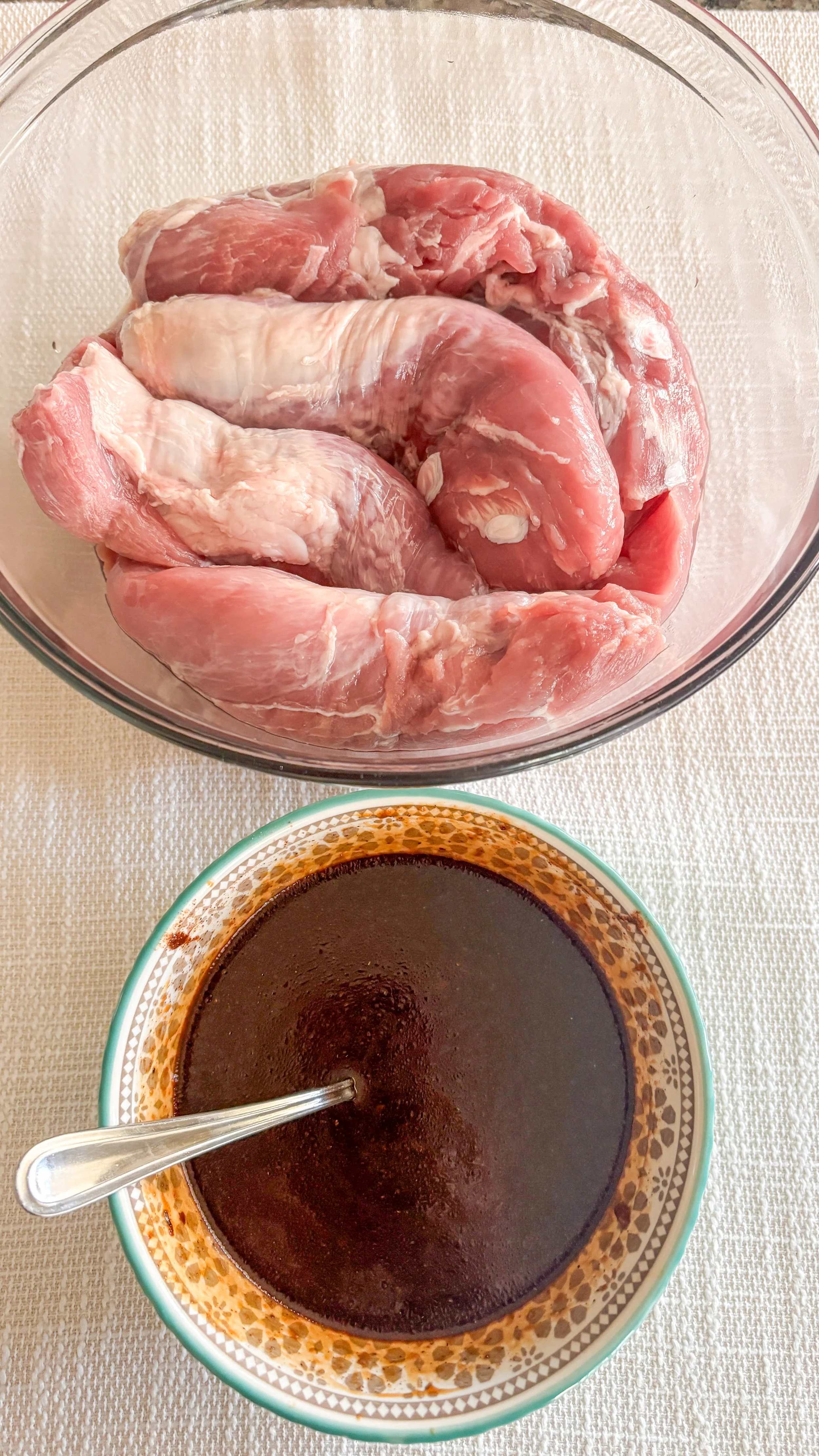
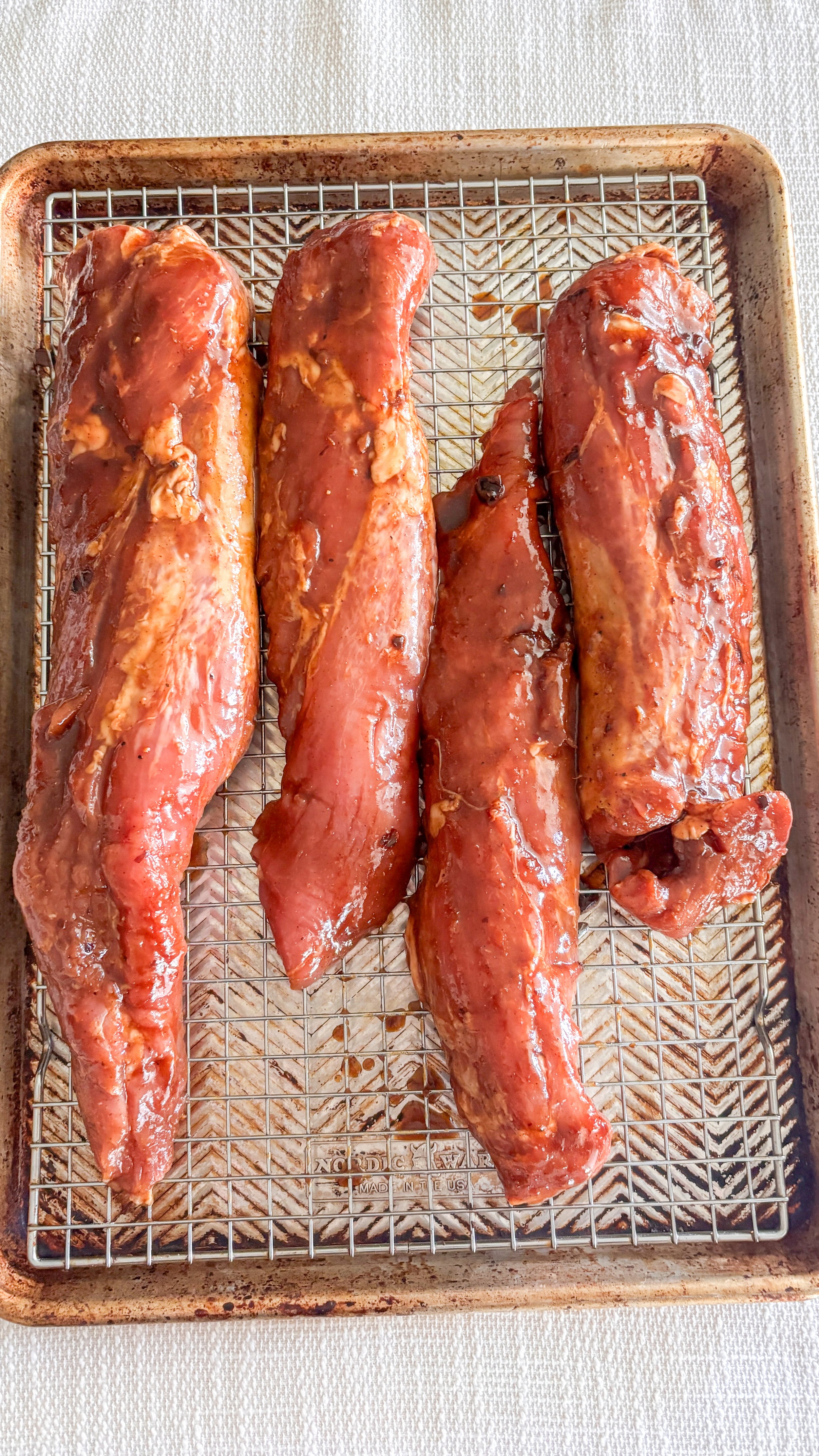
Prepare the pork Trim the pork tenderloin if needed and place it in a large bowl or dish suitable for marinating.
Make the sauce In a separate bowl, combine all the sauce ingredients and mix well. You should get about 350 ml of sauce.
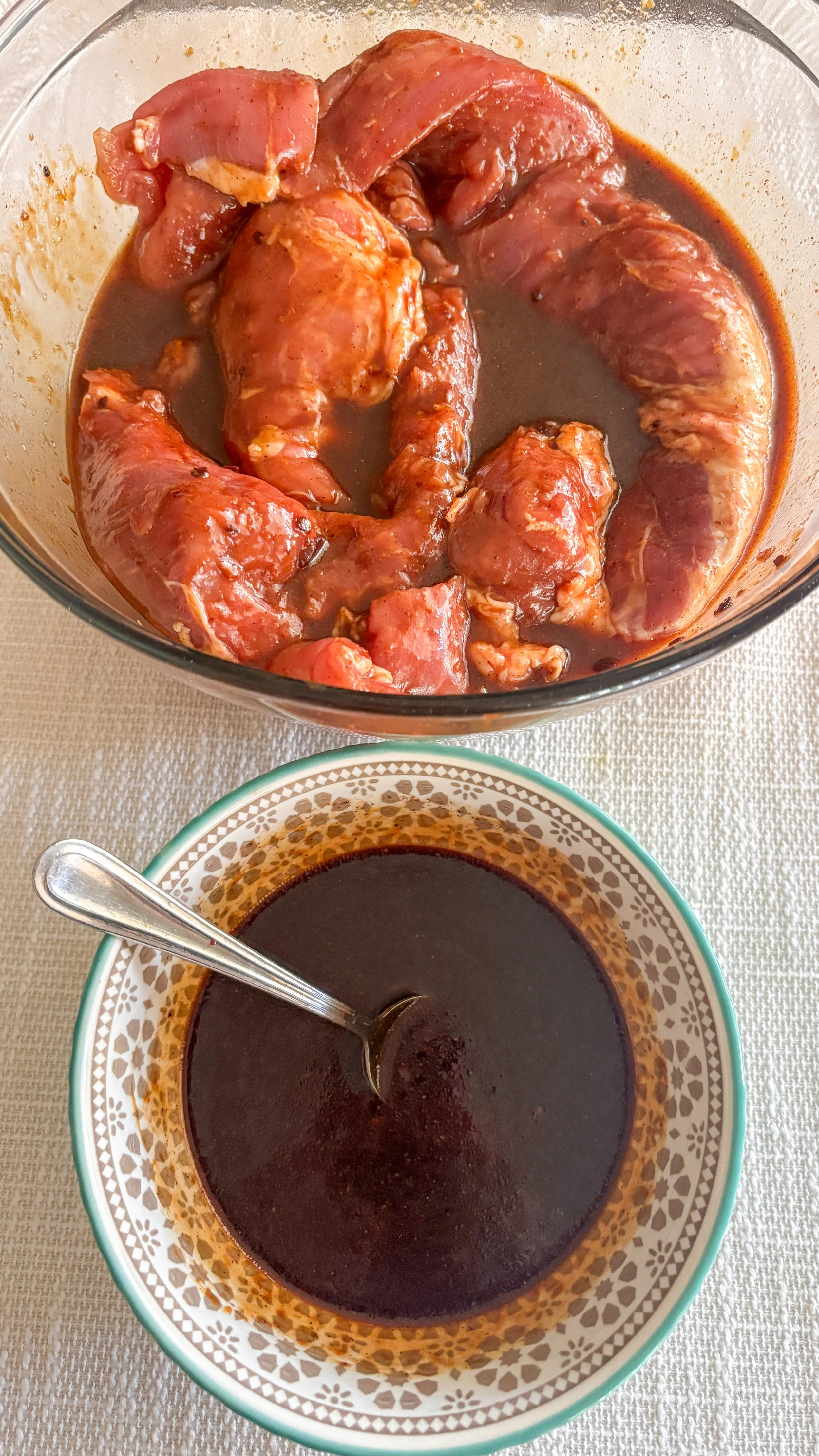
Marinate Pour about 200 ml of the sauce over the pork, making sure it is well coated. Cover and refrigerate overnight for best flavor, or for at least 6 hours.
Prepare the glaze Take the remaining ~150 ml of sauce and mix it with the jam to create a thick, glossy basting glaze.
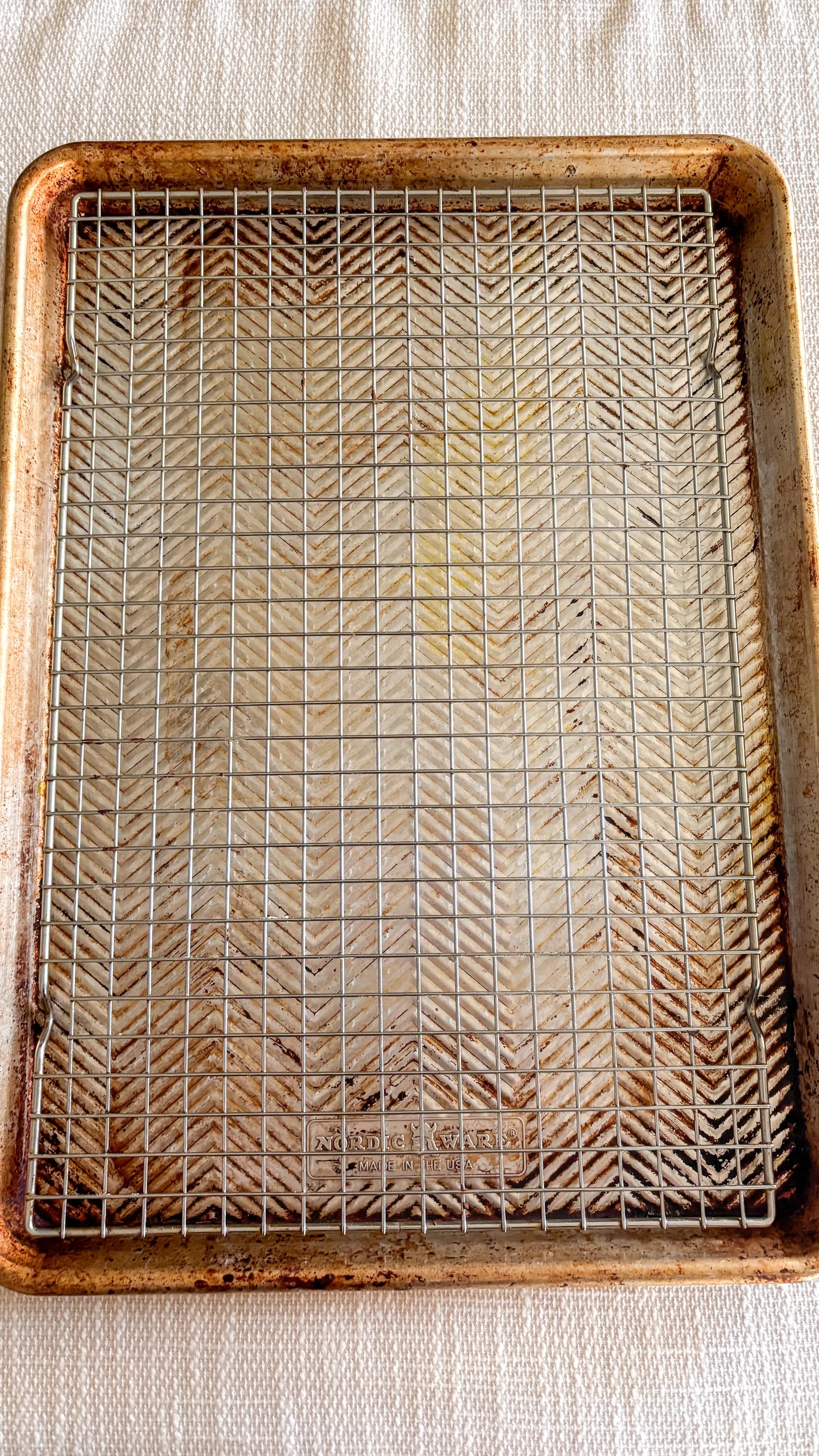
Bake the pork Preheat the oven to 350°F (175°C). Place the marinated pork on a baking rack set over a tray. Brush generously with the glaze on all sides.
Baste and turn Bake for about 50 minutes total. Every 10 minutes, remove the pork from the oven, brush with more glaze, turn the pieces, and glaze again. This step builds a rich, sticky coating and ensures even cooking.
Finish under broiler For a caramelized, slightly charred exterior, broil the pork for 5 minutes at the end.
Serving Suggestions Slice and serve with rice, roasted vegetables, or a fresh crunchy salad. It also works beautifully in wraps, bowls, or alongside fermented vegetables for added gut support.
13 portions/Per 150 g serving of pork
Calories: ~320–340 kcal
Protein: ~39–41 g
Carbohydrates: ~10–12 g
Fat: ~13–15 g
As usual, these are my thoughts and ideas, not medical advice. You are encouraged to create your own recipes or search for some suited to your needs. I am just sharing my recipes, hoping that I can inspire some of you to make healthier food choices.
Please remember that we all have different nutritional needs and that food affects us differently. If you are not sure which foods are best for you, reach out for a free phone consultation.
In good health,
Ioana