
Hoisin sauce (also known as Chinese BBQ sauce, Peking sauce, or Cantonese barbecue sauce)
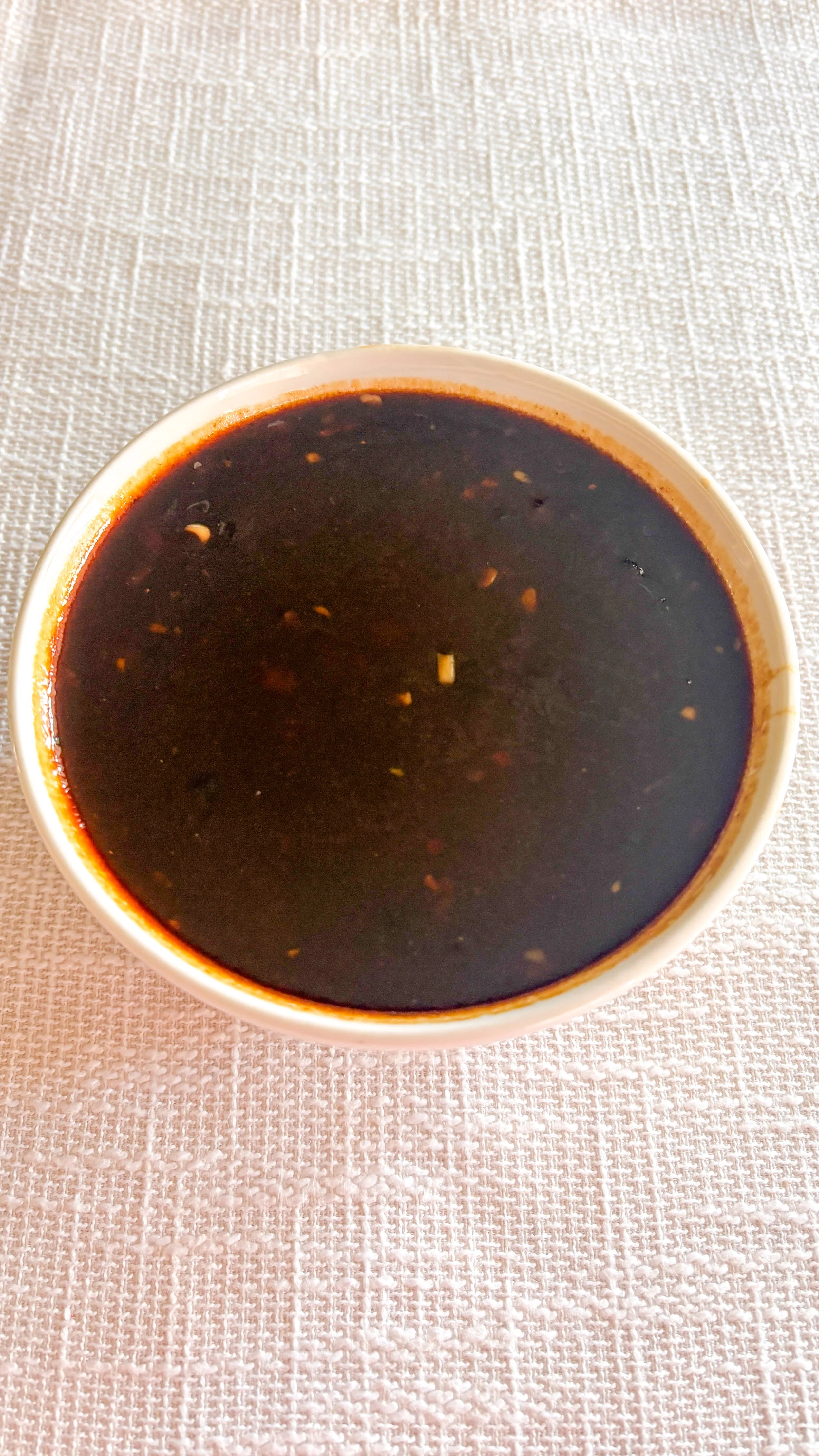
If you’ve ever turned a bottle of hoisin sauce around and read the label, you probably noticed it’s far from a clean, simple ingredient. Most store-bought versions are loaded with gluten (from wheat-based soy sauce), excessive sugar, or even worse—high-fructose corn syrup, artificial flavors, preservatives, colorants like caramel coloring, and thickening agents that add nothing nutritionally. For anyone focused on gut health, hormone balance, or simply eating more intentionally, these additives can quietly work against your goals. That’s exactly why making your own hoisin sauce at home is such a powerful upgrade.
Now, let me be honest—this is not the most traditional hoisin sauce recipe. I’m Romanian, not Chinese, and I didn’t grow up making this. But what I did do is take the essence of what makes hoisin sauce so irresistible—sweet, salty, umami, slightly tangy—and recreate it using ingredients that align with a more nourishing, functional approach to cooking. The result? A version that works beautifully, tastes incredible, and feels good in your body.
Hoisin sauce (also known as Chinese BBQ sauce, Peking sauce, or Cantonese barbecue sauce) is one of the most versatile condiments you can have in your kitchen. You can drizzle it over a steaming bowl of Pho, use it as a glaze for BBQ meats, toss it into stir-fries like Mongolian beef, or brush it over roasted vegetables. It works beautifully in lettuce wraps, as a dipping sauce for spring rolls, mixed into noodle dishes, or even as a marinade for chicken, pork, or beef. It’s one of those sauces that instantly elevates a dish from simple to deeply satisfying.
Making your own version gives you full control over the ingredients and the flavor profile. You can keep it gluten-free, adjust the sweetness, choose high-quality fats like toasted sesame oil, and even boost its nutritional value depending on what you use—like fermented bean paste or natural peanut butter. You’re not just avoiding the “bad stuff,” you’re actively adding better, more functional ingredients that support digestion and overall health.
There’s also something deeper here. One of the biggest misconceptions I hear is that eating healthy is boring, restrictive, or lacking flavor. That couldn’t be further from the truth. Flavor is what makes consistency possible. When your meals are rich, layered, and exciting, you actually want to eat well. This sauce is proof of that—it’s bold, complex, slightly sweet, savory, and completely addictive in the best way.
This homemade hoisin sauce is truly a flavor bomb worth your time, and it absolutely deserves a permanent spot in your fridge. Especially if you love Chinese-inspired dishes but want to stay aligned with a cleaner, gluten-free, and more intentional way of eating. Once you try it, you’ll realize you don’t need the store-bought version anymore—you’ve just created something better.
RECIPE
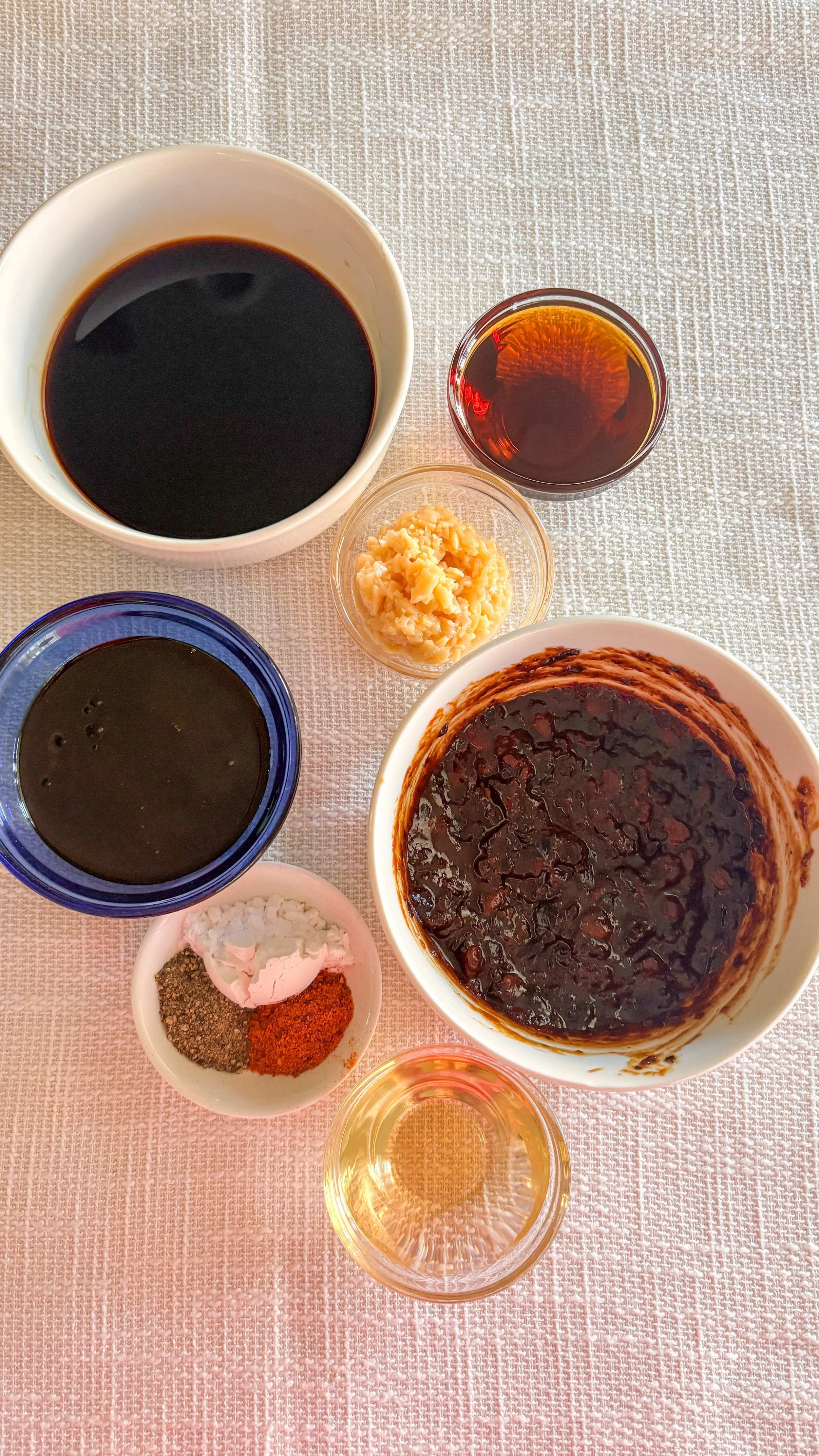
Ingredients
150 ml gluten-free soy sauce
150 ml date syrup or date molasses (honey can be used as an alternative)
75 ml toasted sesame oil
3 Tbsp rice vinegar
6 Tbsp fermented bean paste (or peanut butter, or half and half of each)
2 Tbsp garlic paste
50 ml water
1 Tbsp tapioca starch
1 tsp ground black pepper
1 tsp chili powder (or more if you want it spicy)
Instructions
In a small saucepan over medium-high heat, whisk together the soy sauce, date syrup, sesame oil, rice vinegar, fermented bean paste (or peanut butter), garlic paste, chili powder, and black pepper.
In a separate small bowl, mix the water with the tapioca starch until smooth.
Slowly pour the starch mixture into the saucepan, whisking continuously to prevent lumps.
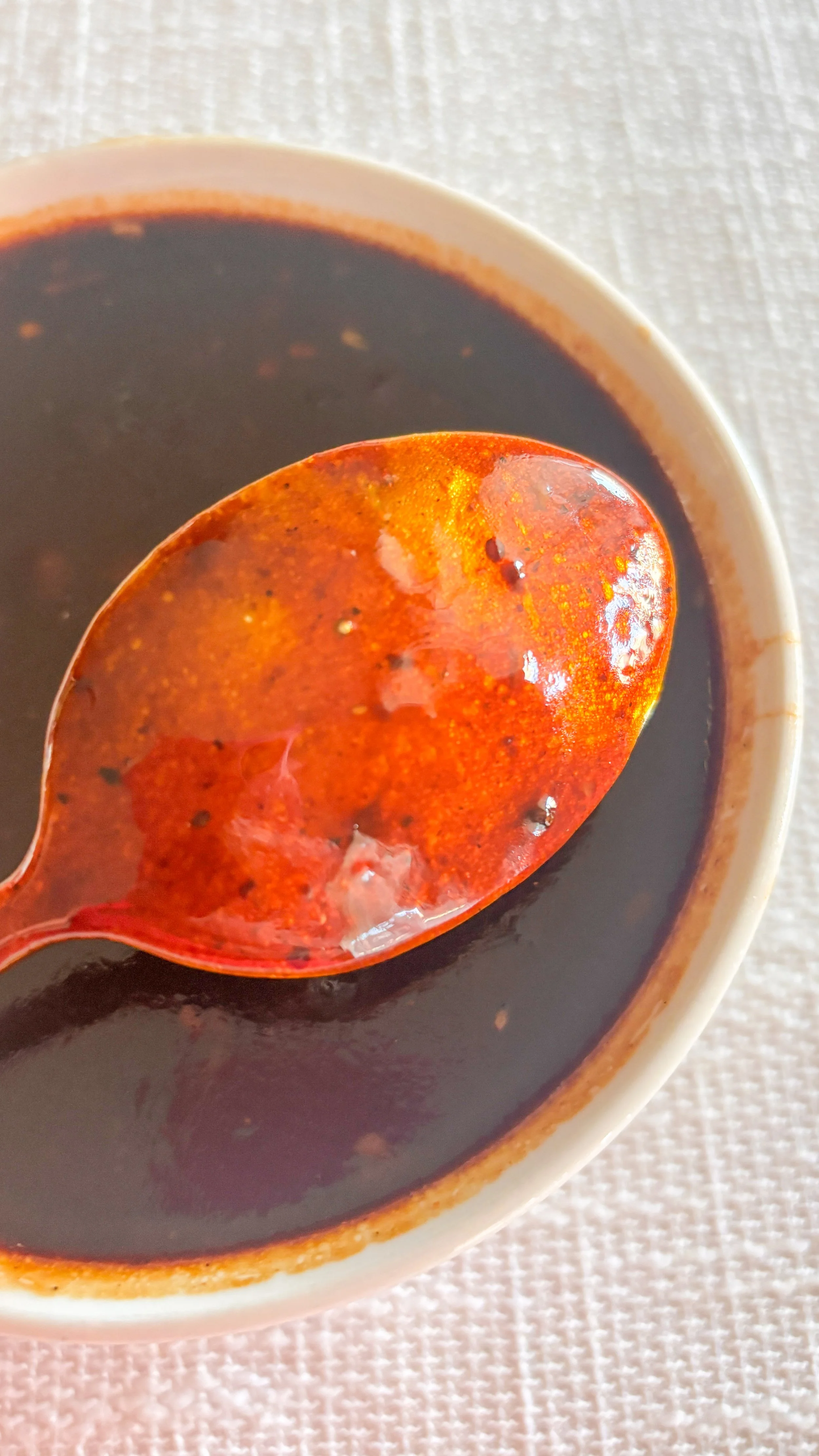
Let the sauce simmer, stirring frequently, until it thickens and coats the back of a spoon (like in the picture below).
Remove from heat and allow to cool before using.
Hoisin sauce is one of those “secret weapon” condiments—deeply savory, slightly sweet, and incredibly versatile. Here’s a comprehensive list of how you can use it, from traditional dishes to creative applications and even building other sauces.
1. Classic & Traditional Uses (Chinese & Asian Cuisine)
Glaze for BBQ meats (char siu pork, roasted duck, ribs)
Stir-fries (beef & broccoli, Mongolian beef, chicken stir-fry)
Added to noodle dishes (lo mein, chow mein, rice noodles)
Drizzled into pho for extra depth of flavor
Served as a dipping sauce for Peking duck
Mixed into fried rice
Used in lettuce wraps (chicken, pork, or beef)
Filling enhancer for bao buns
Brushed over roasted or grilled meats
2. Marinades & Meat Applications
Marinade for chicken, beef, pork, shrimp, or lamb
Glaze for oven-roasted or grilled proteins
Mixed into ground meat for burgers or meatballs
Added to slow-cooked dishes (pulled pork, shredded beef)
Coating for skewers or kebabs
3. Dipping Sauces
Spring rolls (fresh or fried)
Dumplings and potstickers
Egg rolls
Grilled meats or satay-style skewers
Crispy tofu or tempeh
4. Vegetable & Plant-Based Dishes
Stir-fried vegetables (broccoli, bok choy, green beans)
Roasted vegetables glaze (carrots, eggplant, Brussels sprouts)
Tossed with tofu or tempeh for flavor
Mixed into mushroom dishes for umami boost
Drizzled over grain bowls or veggie bowls
5. Soups & Broths
Added to pho or ramen-style broths
Stirred into bone broth for depth
Used to enrich vegetable soups
Mixed into hot pot dipping sauces
6. Noodles, Rice & Bowls
Mixed into noodle sauces
Stirred into rice bowls with meat and veggies
Used in Asian-style pasta dishes
Added to fried rice or cauliflower rice
Drizzled over poke-style bowls (fusion)
7. Sandwiches, Wraps & Fusion Foods
Spread inside wraps or sandwiches
Used in Asian-inspired tacos
Mixed into burger sauces
Drizzled over flatbreads or Asian-style pizzas
Added to quesadillas for a sweet-savory twist
8. Salad Dressings
Mixed into vinaigrettes (with vinegar, oil, ginger)
Used in Asian-style slaws
Combined with lime juice and sesame oil for fresh salads
Added to cabbage or crunchy vegetable salads
9. Building Other Sauces - Hoisin is often a base ingredient for more complex sauces:
Hoisin + peanut butter + lime juice + water → peanut sauce
Hoisin + soy sauce + garlic + ginger → stir-fry sauce
Hoisin + sriracha + honey → spicy glaze
Hoisin + rice vinegar + sesame oil → dipping sauce
Hoisin + coconut milk → creamy Asian-style sauce
Hoisin + mustard + vinegar → fusion BBQ sauce
Hoisin + bone broth + chili paste → soup base enhancer
As usual, these are my thoughts and ideas, not medical advice. You are encouraged to create your own recipes or search for some suited to your needs. I am just sharing my recipes, hoping that I can inspire some of you to make healthier food choices.
Please remember that we all have different nutritional needs and that food affects us differently. If you are not sure which foods are best for you, reach out for a free phone consultation.
In good health,
Ioana