
Gluten-free cozonac (Babka filled with chocolate and walnuts)
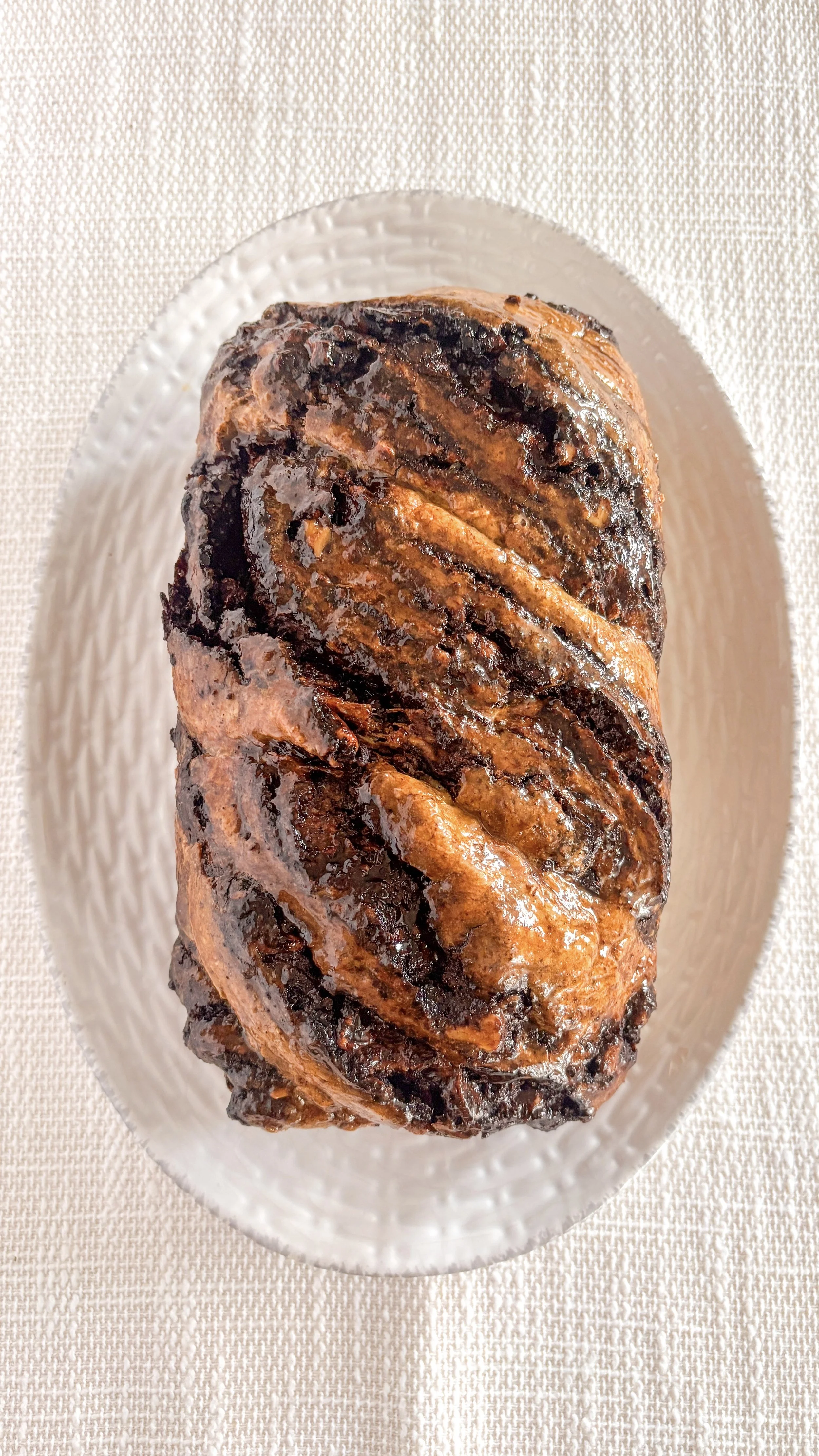
There’s something special about babka—what we call cozonac in Romania. It’s more than a dessert; it’s tradition, celebration, and memory woven into a beautifully swirled loaf. In Romania, cozonac is inseparable from holidays like Christmas and Easter, when kitchens fill with the aroma of cocoa, nuts, citrus zest, and warm dough rising on the counter. Similar versions exist across Eastern Europe and the Middle East—Poland has babka wielkanocna, Jewish communities popularized chocolate babka in Central and Eastern Europe, and variations can be found in countries like Bulgaria, Ukraine, and Hungary. No matter the name, it represents abundance and gathering.
However, if you’re stepping into gluten-free territory, there’s something important to understand: not all gluten-free products are created equal. Many store-bought gluten-free babkas (or similar products like panettone) are loaded with refined starches, preservatives, industrial seed oils, excessive sugar, and vague “natural flavors.” Just because something is labeled gluten-free doesn’t automatically make it supportive of your health. When you read the ingredient list and don’t recognize half of what’s inside, that’s your cue to pause.
Making your own gluten-free babka changes the entire equation. You control the ingredients. You choose quality over convenience. Psyllium husk, for example, isn’t just a structural substitute for gluten—it’s a powerful soluble fiber that supports digestion, gut motility, and microbial balance. For women especially, adequate fiber intake plays a critical role in estrogen metabolism and overall hormonal balance. A dessert that gently supports elimination? That’s already a win.
Then we layer in ingredients that actually nourish. Dark chocolate brings antioxidants and polyphenols. Walnuts provide omega-3 fatty acids and support brain and hormonal health. Cinnamon adds warmth and helps with blood sugar balance. Eggs contribute protein and fat-soluble nutrients, helping stabilize energy levels. And using granulated monk fruit sweetener instead of refined sugar lowers the glycemic load and overall calorie impact—making this a more balanced indulgence without sacrificing flavor.
It’s also important to set realistic expectations about texture. A gluten-free babka/cozonac will not behave like a traditional wheat-based one. Without gluten, you don’t get that ultra-airy, fluffy, elastic crumb. Instead, the texture is slightly denser and more substantial—which is completely normal. In many ways, it feels more grounding and satisfying. And if it firms up after a couple of days, don’t toss it. Simply slice it, toast it lightly, and enjoy it warm. The edges crisp beautifully, the chocolate softens again, and it becomes an entirely new experience.
For women navigating busy schedules, fluctuating hormones, and the need for steady energy, this kind of mindful baking matters. A slice of homemade gluten-free babka paired with protein earlier in the day can be a satisfying snack without the crash that often follows ultra-processed sweets. When fiber, healthy fats, and moderate sweetness come together, you create something that feels indulgent yet supportive rather than inflammatory and depleting.
And let’s not forget the ritual. A slice of warm babka with coffee in the morning or tea in the afternoon carries comfort and presence. It slows you down. It invites connection. Food should nourish the body, but it should also nourish the soul. When you make your own gluten-free cozonac with ingredients you understand and trust, you honor tradition while aligning it with modern, functional nutrition. That’s the kind of balance worth celebrating.
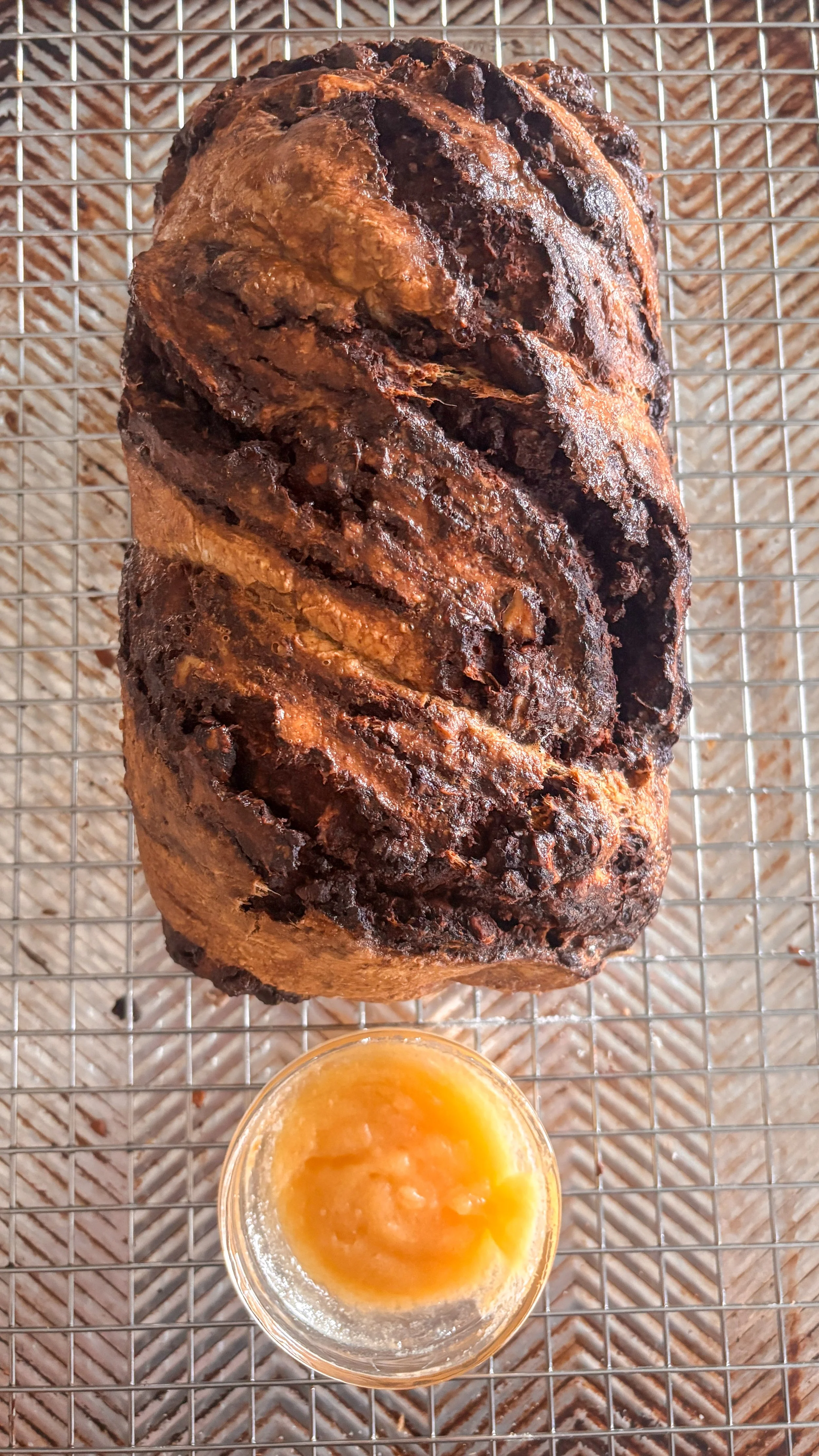
RECIPE
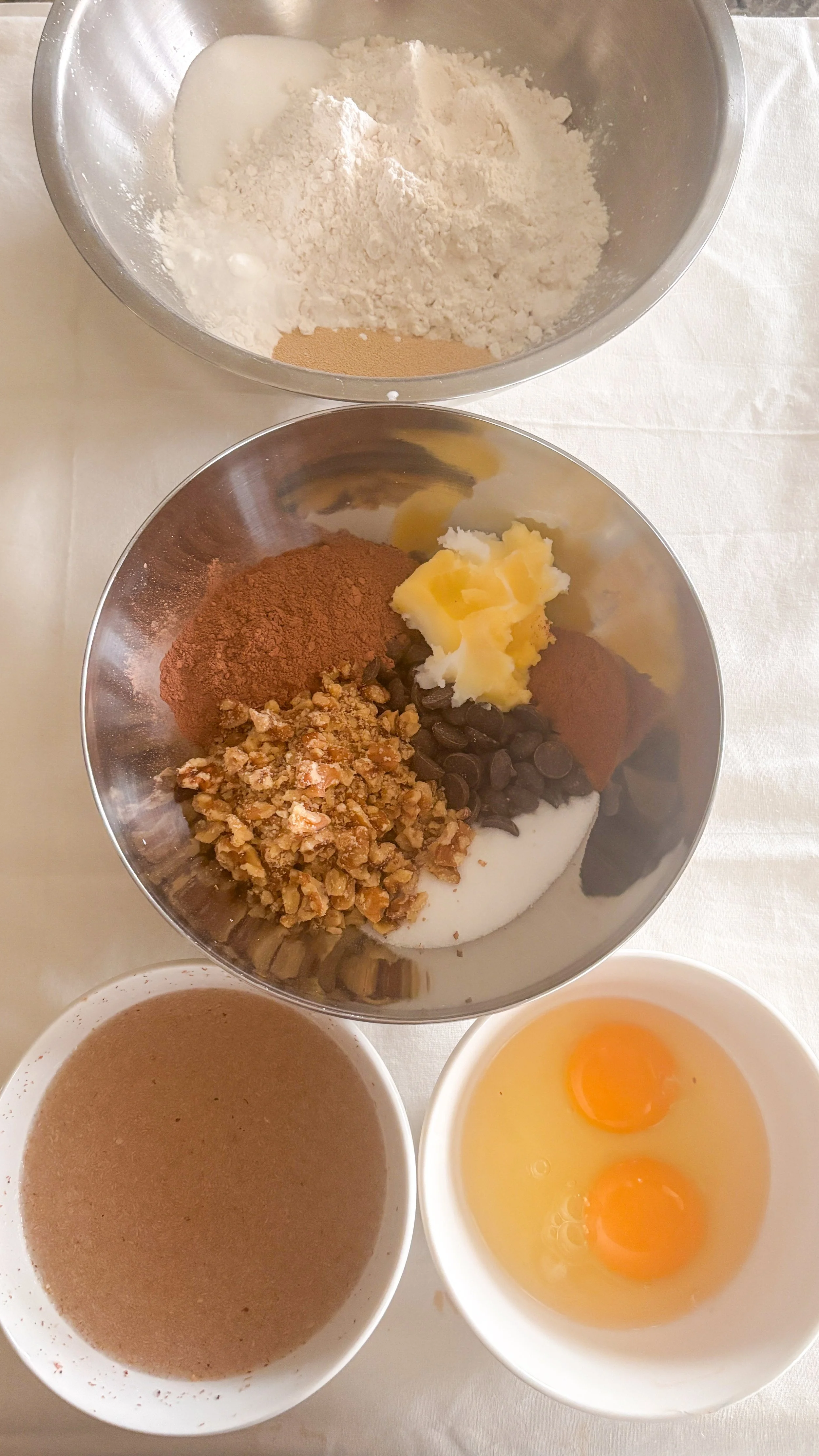
Ingredients
Filling
100 g dark chocolate chips
50 g ghee
50 g monk fruit sweetener
Pinch of salt
25 g cocoa powder
100 g walnuts, chopped
5 g cinnamon
5 g orange zest
Dough
Psyllium gel
15 g psyllium husk
250 ml room-temperature water
Dry ingredients
150 g tapioca flour
175 g gluten-free flour blend (with xanthan gum included in the mix, read the ingredients)
10 g instant yeast
1 Tbsp baking soda
50 g monk fruit sweetener (granulated, just like white sugar)
Wet ingredients
2 eggs
Glaze
1 Tbsp melted ghee
1 Tbsp honey
Instructions
1. Prepare your ingredients - Measure everything in advance so the process flows smoothly.
2. Make the psyllium gel - In a small bowl, mix the psyllium husk with the water. Stir well and let it sit until it forms a thick gel. This step is essential—it gives the dough flexibility and structure.
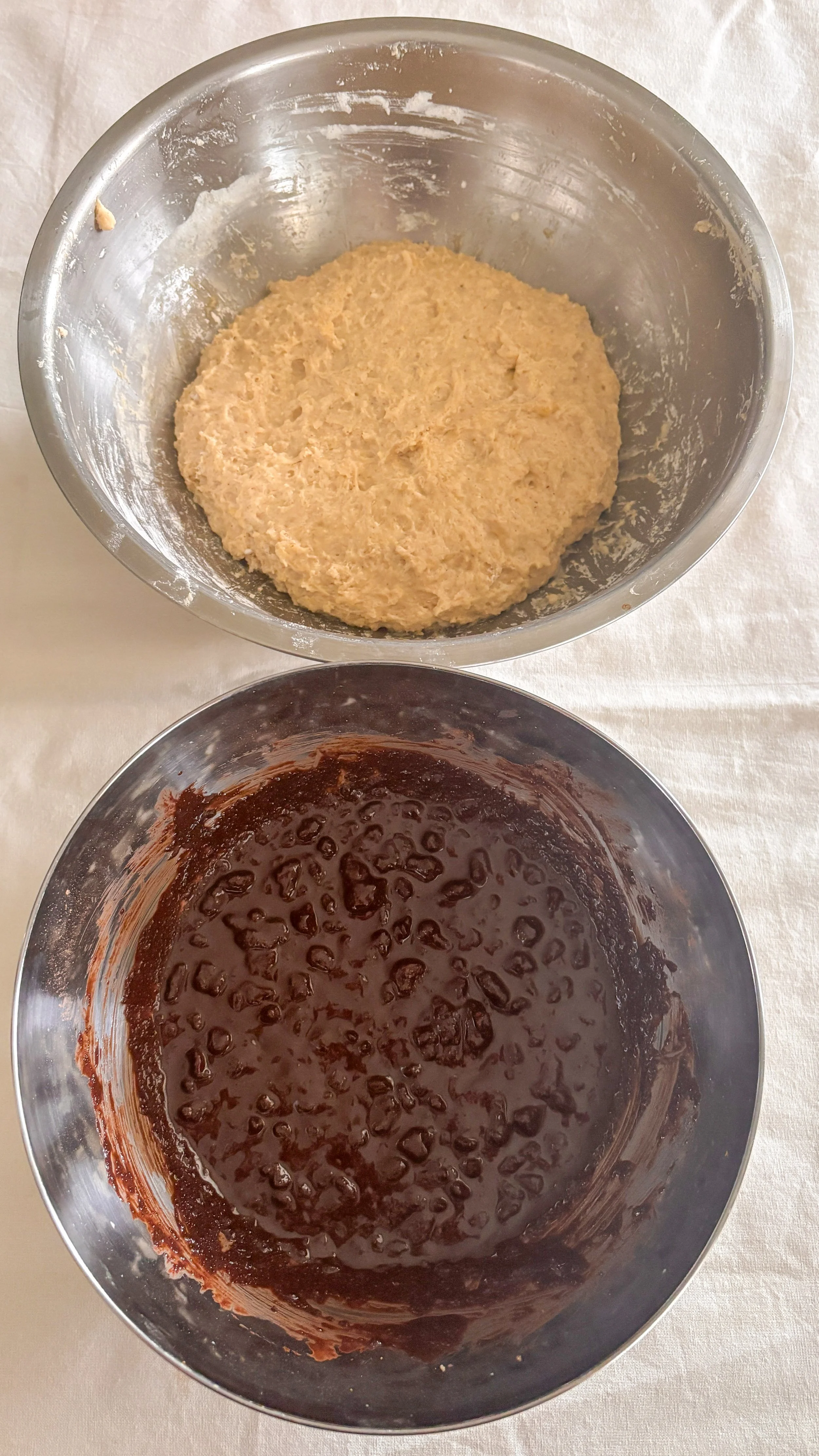
3. Prepare the dough - In a large bowl, combine tapioca flour, gluten-free flour blend, baking soda, yeast, and monk fruit sweetener. Add the eggs and the psyllium gel.
Mix thoroughly by hand or with a mixer until a soft, cohesive dough forms. The dough will feel supple and slightly sticky.
Place the dough in the refrigerator for 1 hour to firm up and become easier to roll.
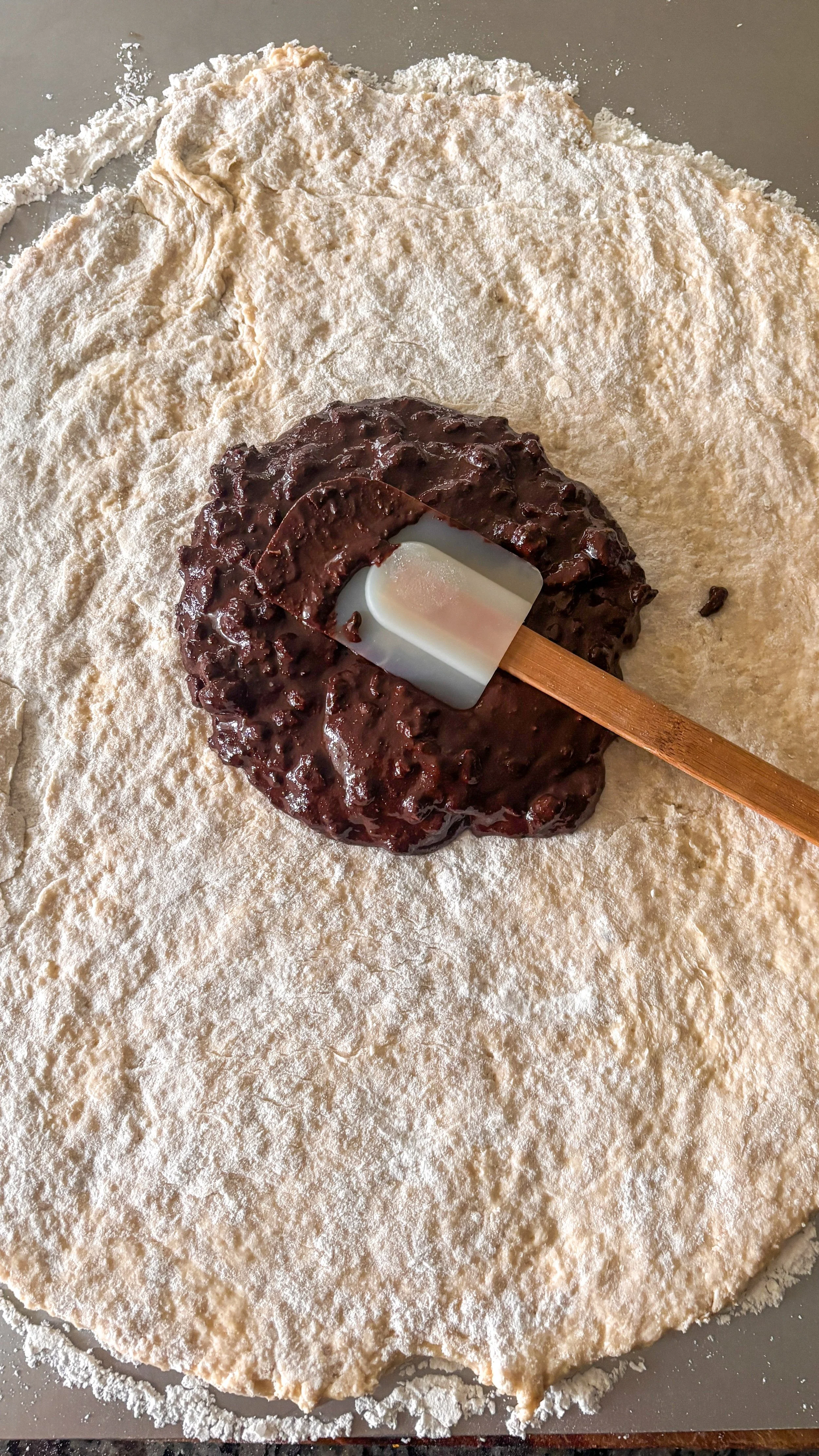
4. Make the chocolate filling - While the dough rests, prepare the filling. In a heatproof metal bowl, combine the chocolate chips, ghee, monk fruit granulated sweetener, salt, cocoa powder, chopped walnuts, cinnamon, and orange zest.
Place the bowl over a pot of simmering water (double boiler method) and stir until the chocolate and ghee melt completely. Mix until smooth and well combined.
Remove from heat and allow the filling to cool to room temperature. It should be thick yet spreadable (like nutella).
5. Shape the babka - Line a 6–10 inch baking dish with parchment paper.
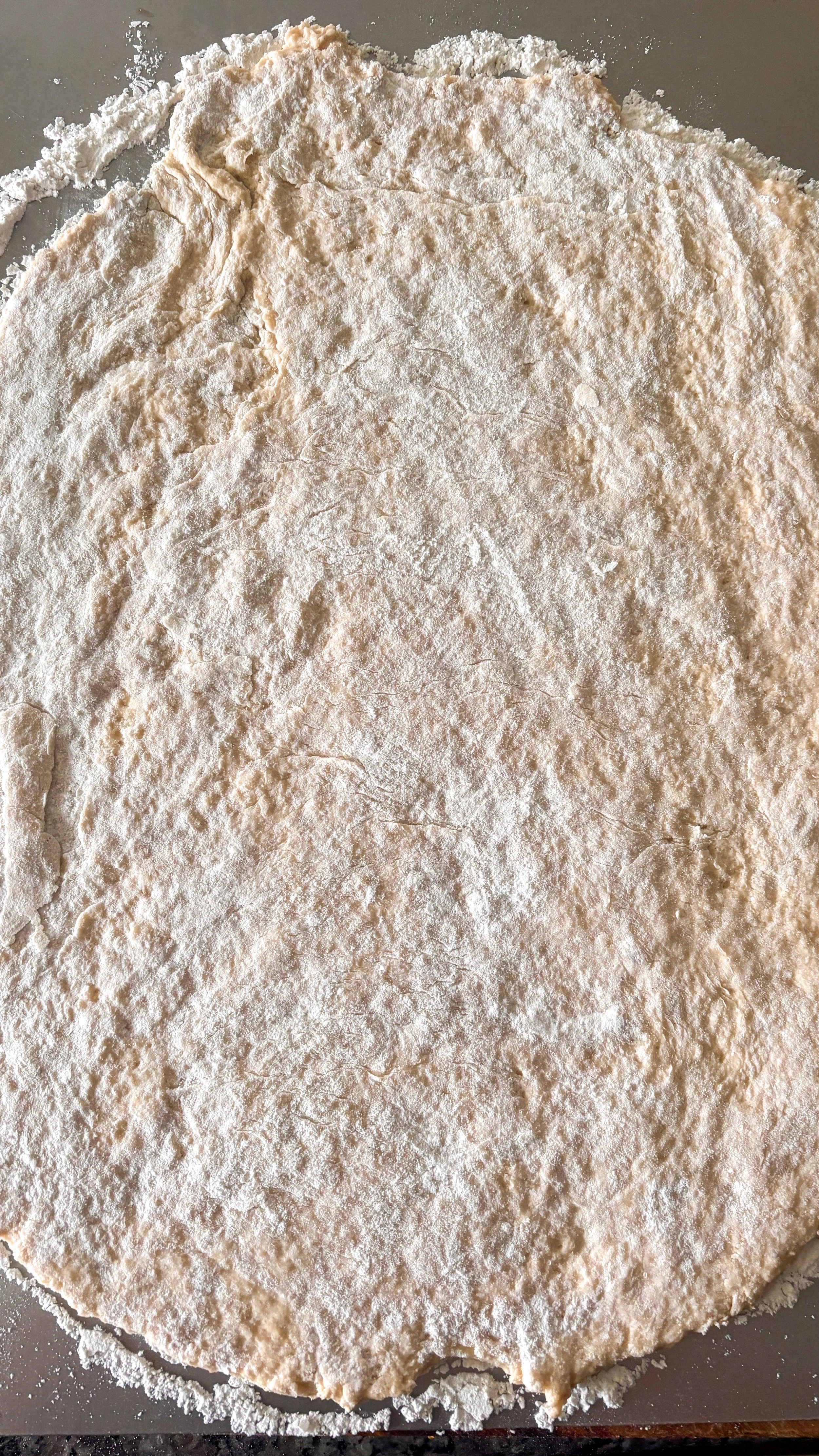
Lightly flour a clean surface with gluten-free flour. Roll the chilled dough into a rectangle about ¼ inch thick.
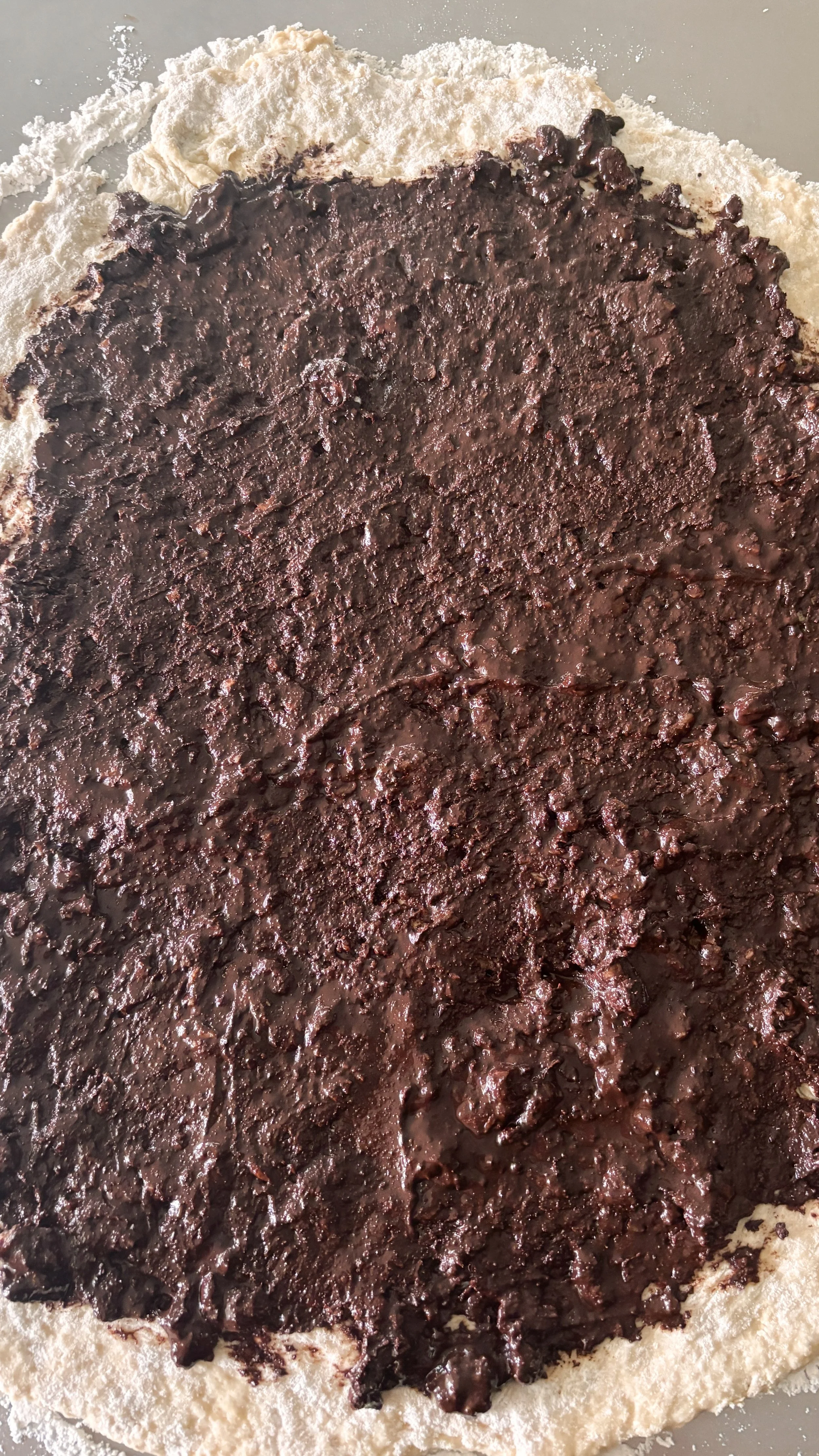
Spread the chocolate filling evenly over the dough, leaving a small border at the edges.
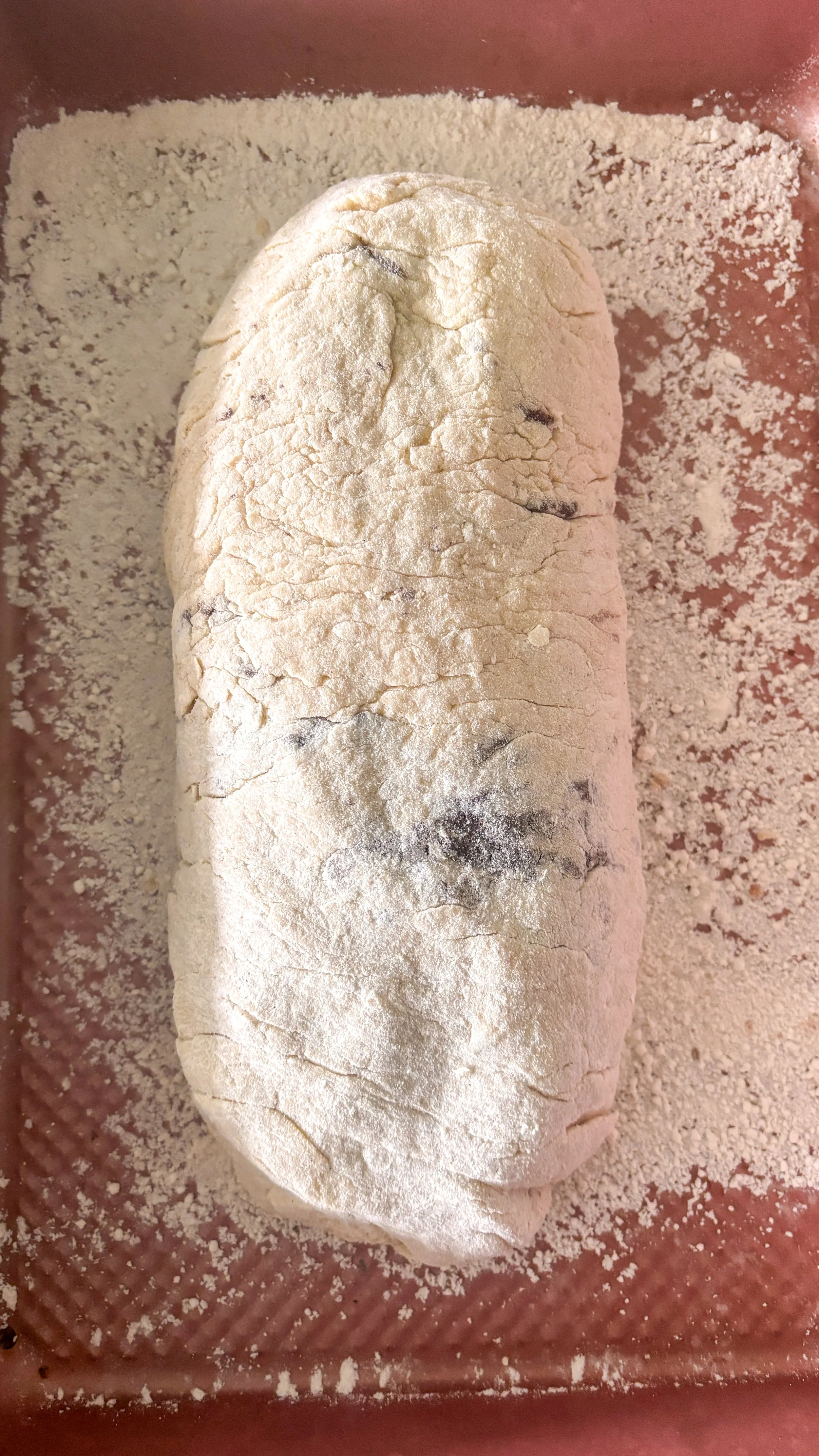
Roll the dough tightly from the shorter side of the rectangle to form a compact log.
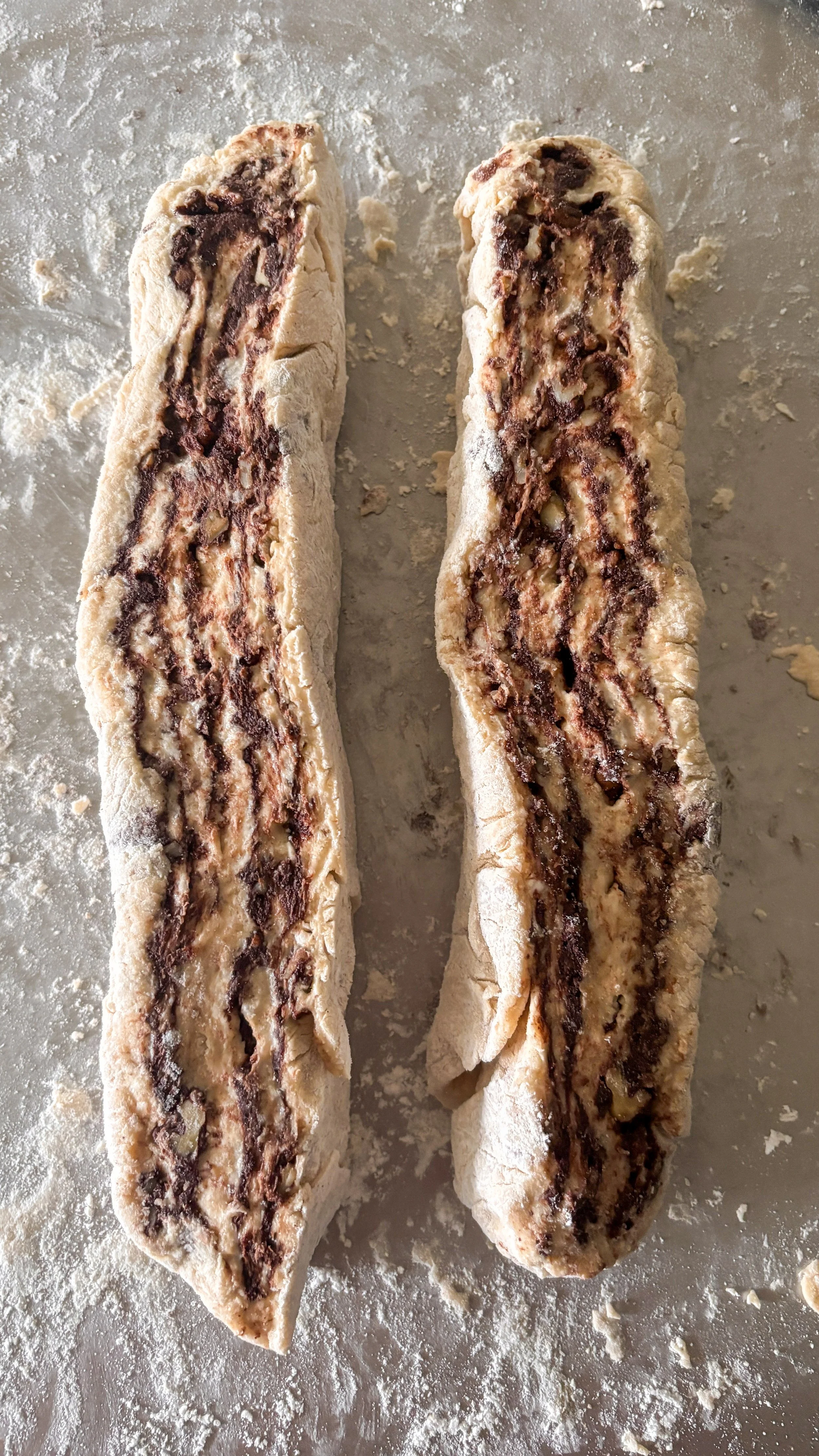
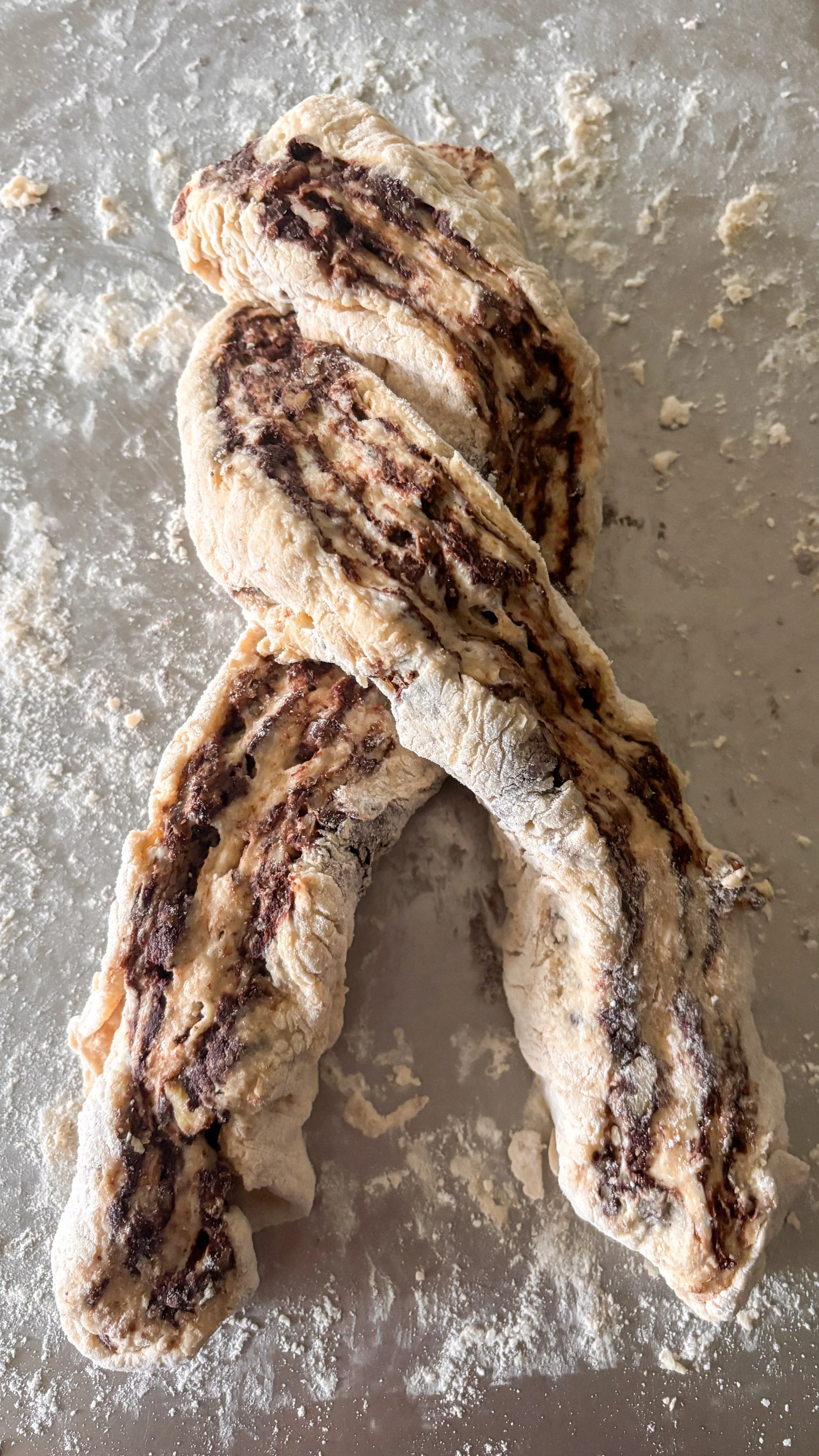
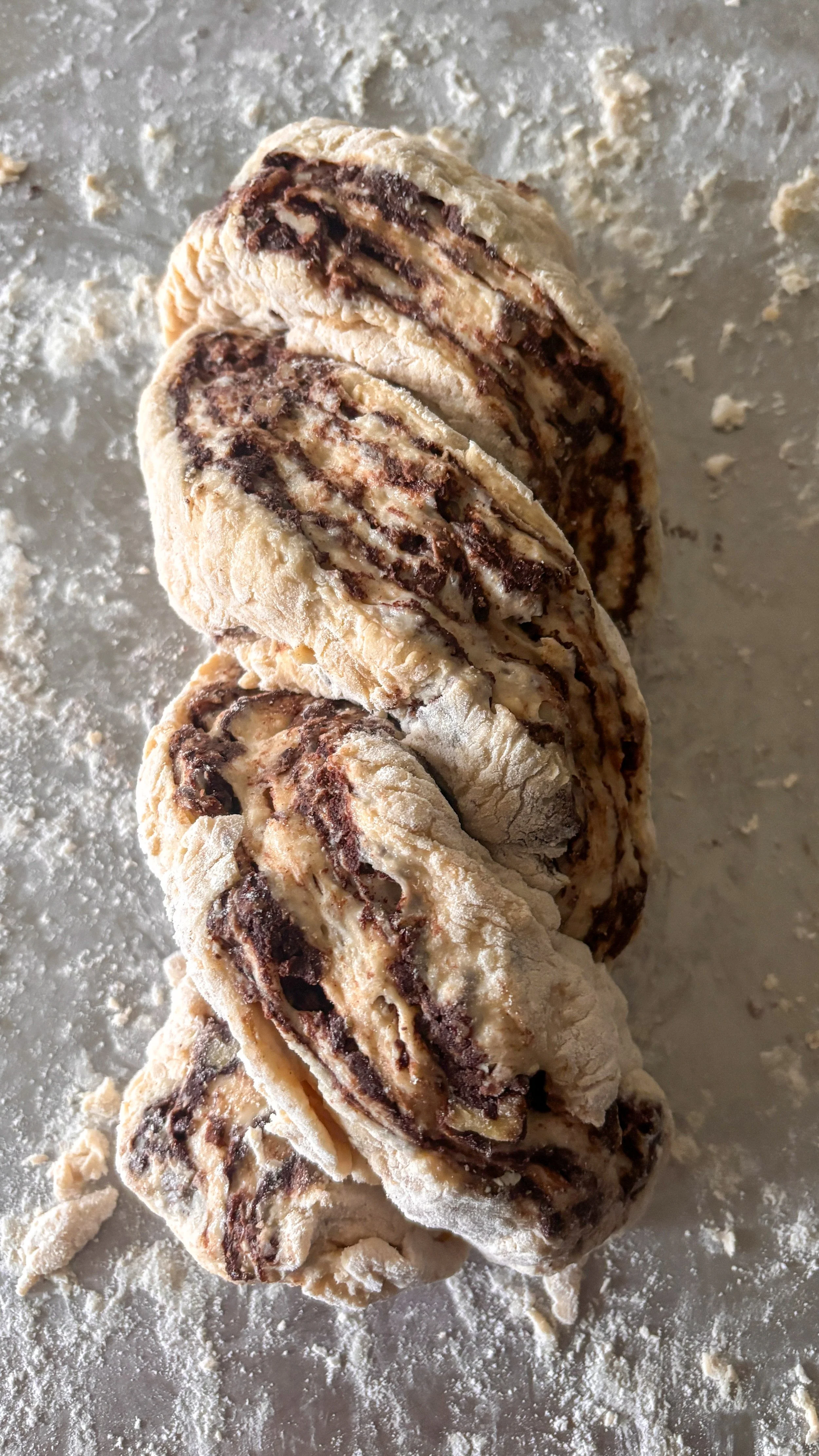
Using a sharp knife, slice the log lengthwise down the center to expose the chocolate layers (see the picture above). With the cut sides facing up, gently twist the two strands over one another to create the classic babka braid.
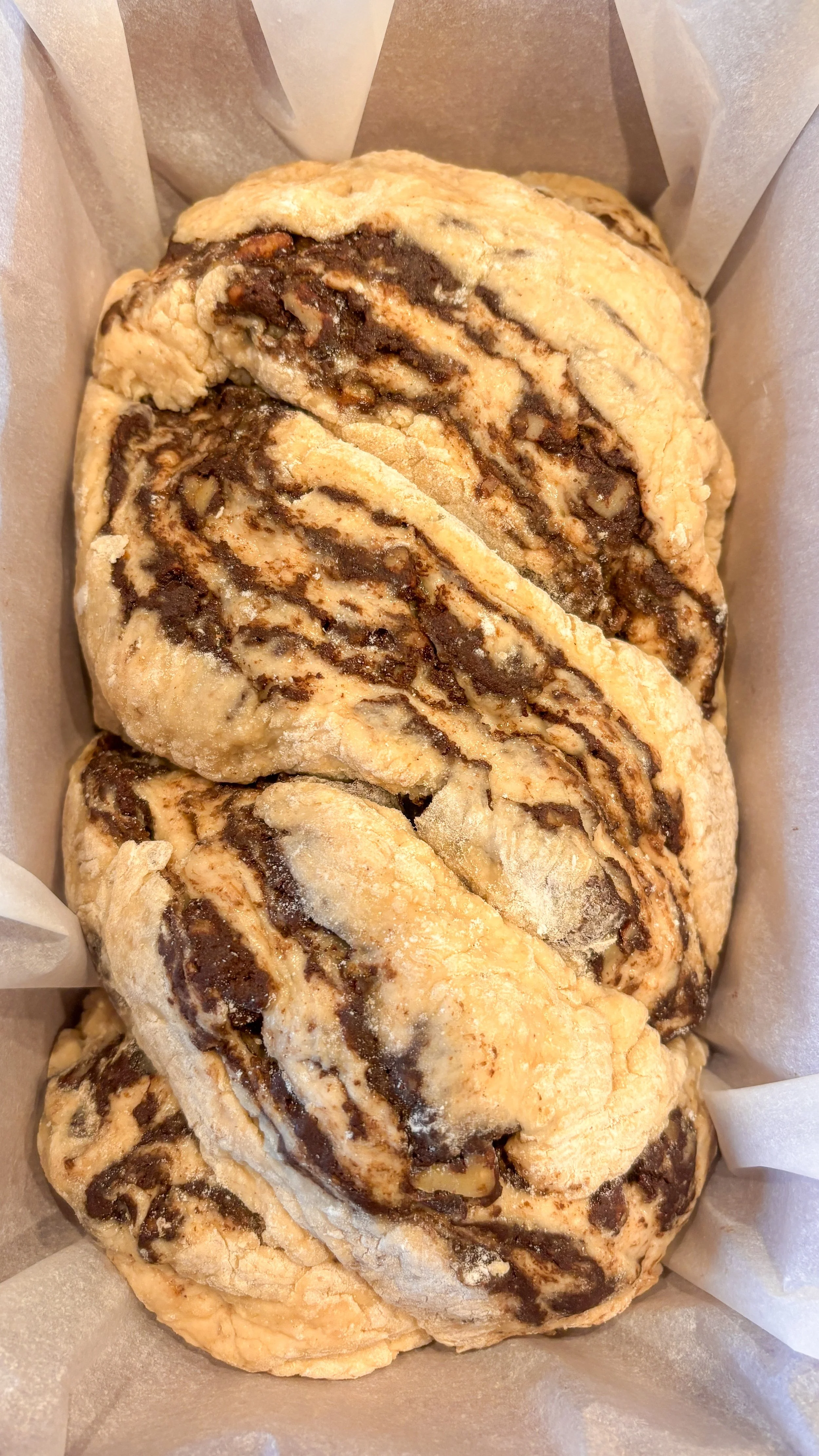
Transfer the shaped loaf to the prepared baking dish. Cover and let it proof at room temperature for 1 hour.
6. Bake - Preheat the oven to 350°F (175°C).
Bake the babka for about 1 hour, until golden and cooked through.
Remove from the oven and let it cool on a rack for 15 minutes.
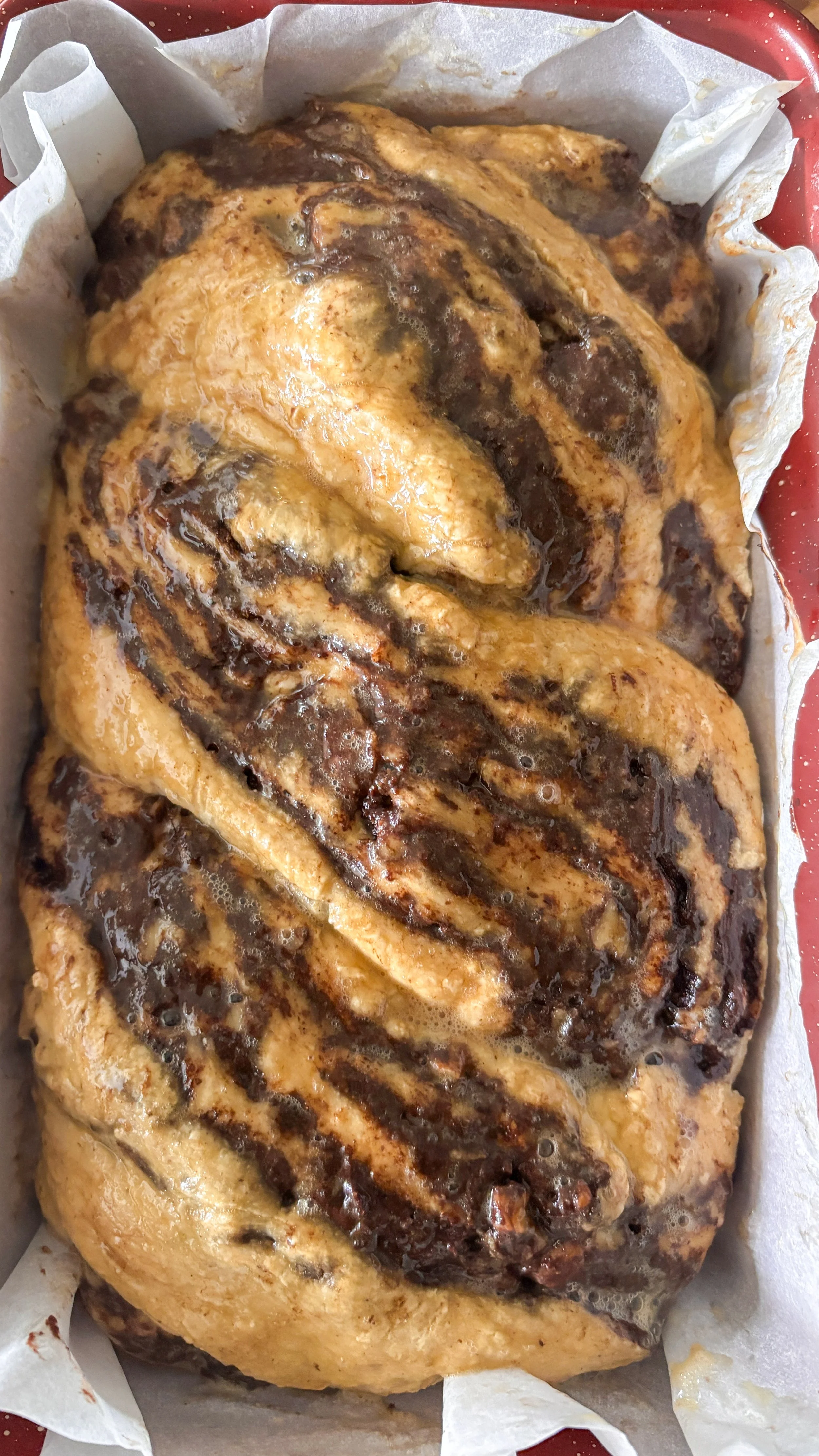
7. Glaze - Mix the melted ghee with honey. After the babka has cooled slightly, brush the glaze generously over the top for a beautiful shine and added moisture.
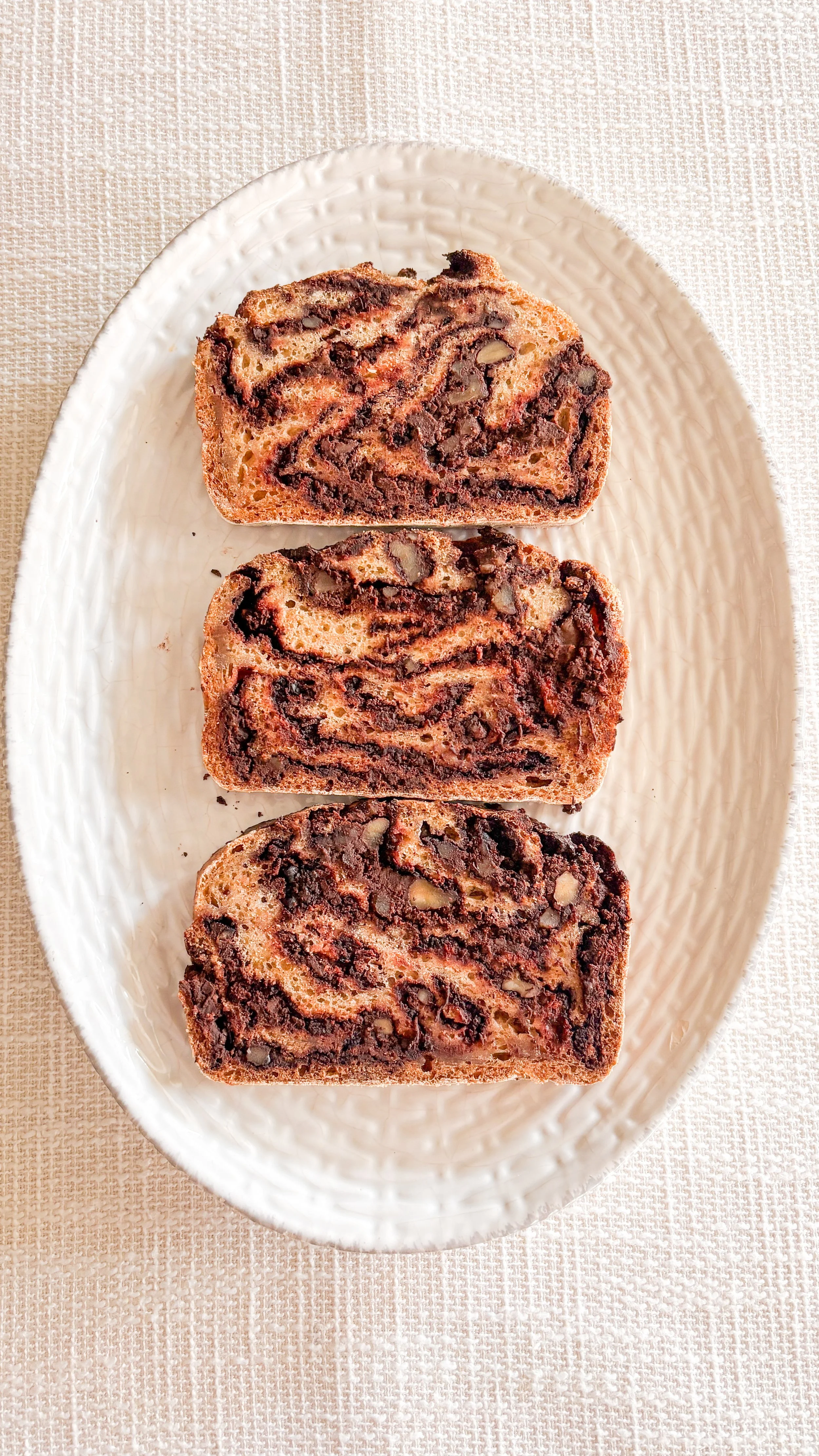
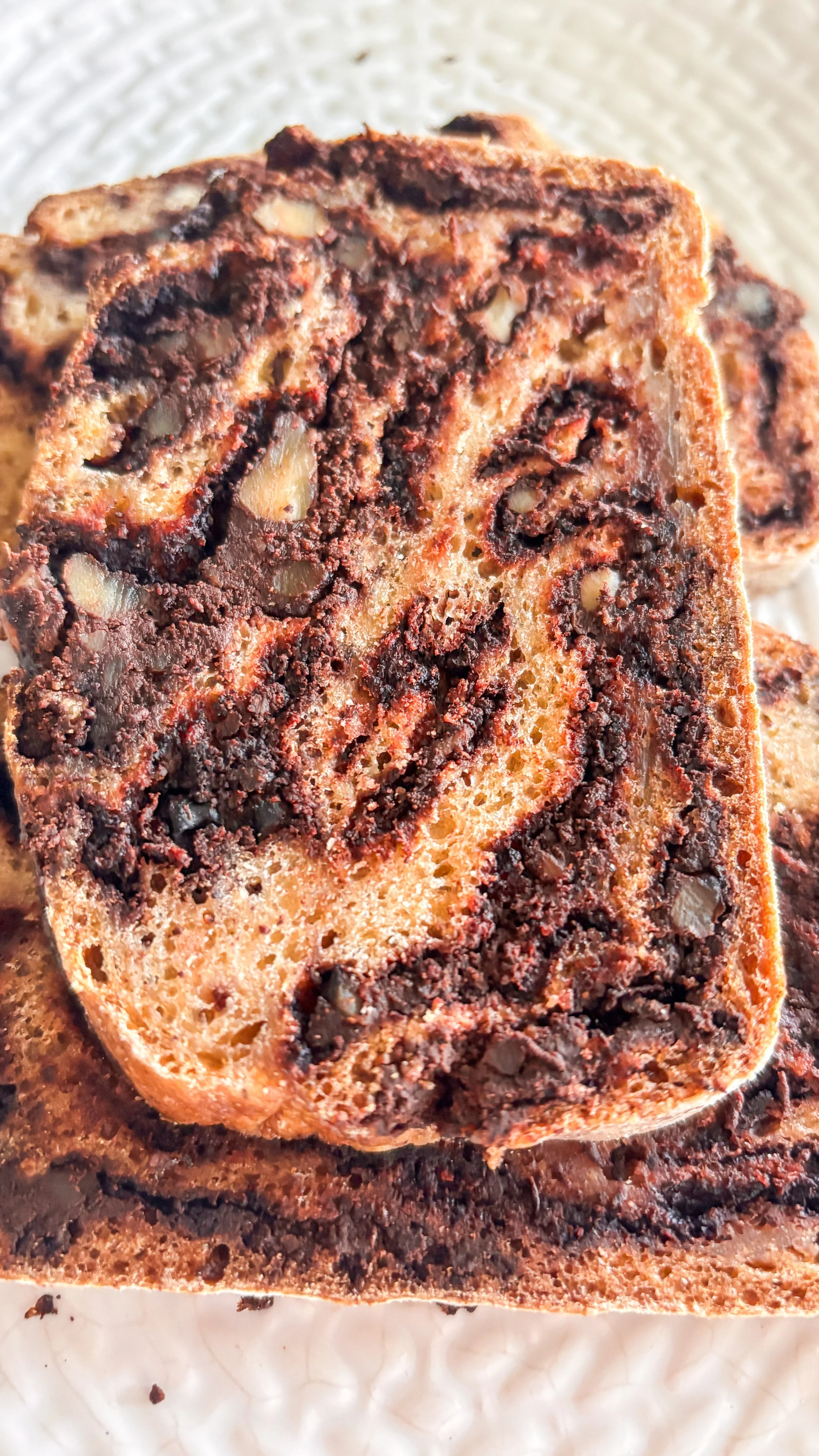
As usual, these are my thoughts and ideas, not medical advice. You are encouraged to create your own recipes or search for some suited to your needs. I am just sharing my recipes, hoping that I can inspire some of you to make healthier food choices.
Please remember that we all have different nutritional needs and that food affects us differently. If you are not sure which foods are best for you, reach out for a free phone consultation.
In good health,
Ioana